Influencer Fashion Lines & How They Did It
Over the last ten years, social media influencers shifted from promoting others’ clothing to making their own. A remarkable feat considering most of them have no background in fashion. Today, influencer brands are making millions and disrupting entire categories from shapewear to denim. This article analyzes the success stories of multiple brands, the strategies that transformed their businesses from social media posts to global sales, and how each founder leveraged their online community to build a dedicated customer base. If your curious about fashion in general, check out Top Fashion Designers and Entrepreneurs.
What defines an influencer fashion line?
Because of a founder’s personal brand, influencer fashion lines can market themselves in ways traditional designers cannot. Direct access to millions of potential customers enables a different kind of control over the production and sales cycle. For the brands we’ve selected for our case studies, removal of the brands' influencers, fashion lines, and their integration of direct monetization, and their social media strategies, have these properties in common:
Authentic Storytelling: The founder’s personal style, body positivity, or lifestyle becomes part of the brand’s narrative. Behind-the-scenes posts, candid videos, and detailed product explanations foster trust.
Direct-To-Consumer (DTC) model: Instead of relying solely on department stores, many influencer brands also sell on their own websites to manage inventory, customer experience, and profit margins.
Limited Drops and Pre-orders: To create scarcity and manage cash flow, brands launch smaller collections and use pre-order systems to sell before they produce.
Inclusive Sizing and Sustainability: Many brands challenge norms by offering more sizes and using recycled or lower-impact materials. With more relatable influencers, consumers expect the same from the brands they follow.
Anyone can sell a look — but building a brand is a whole different game. Let’s break down some famous influencer-led fashion labels and all the reasons that fueled their success.
Skims (@skims)
Founders: Kim Kardashian and Jens Grede • Launch: 2019 • Category: Shapewear, underwear, loungewear and menswear
Entrepreneur Jens Grede and Kim Kardashian changed the shapewear game by putting body inclusivity at the forefront of the category. Skims launched in 2019, stating it is a “solutions‑oriented brand creating the next generation of underwear, loungewear and shapewear for every body”. According to Kardashian, the brand's goal is to instill confidence in its customers. The brand launched its first collection, featuring waist-snatching slip dresses and bodysuits in an unprecedented size range of XXS-5XL and 5 skin tone shades. The collection sold 2 million dollars on its initial drop, underscoring the need for shapewear that prioritizes comfort.
Skims generated $4 billion in revenue over 6 years, including $900 million in successful funding rounds, attaining unicorn status. The brand implemented a celebrity marketing campaign paired with a unique 3-influencer tiered approach. The tiers consist of a micro-creator layer that incorporates styling videos, followed by mid-tier educational videos, and culminates in an upper celebrity tier used to bolster brand marketing efforts. Skims also expanded its sizing to include bras, bodysuits, and shapewear in a range of sizes and skin tones. Soon, the brand will offer men's shapewear and underwear, a Team USA collaborative collection, and permanent global store locations.
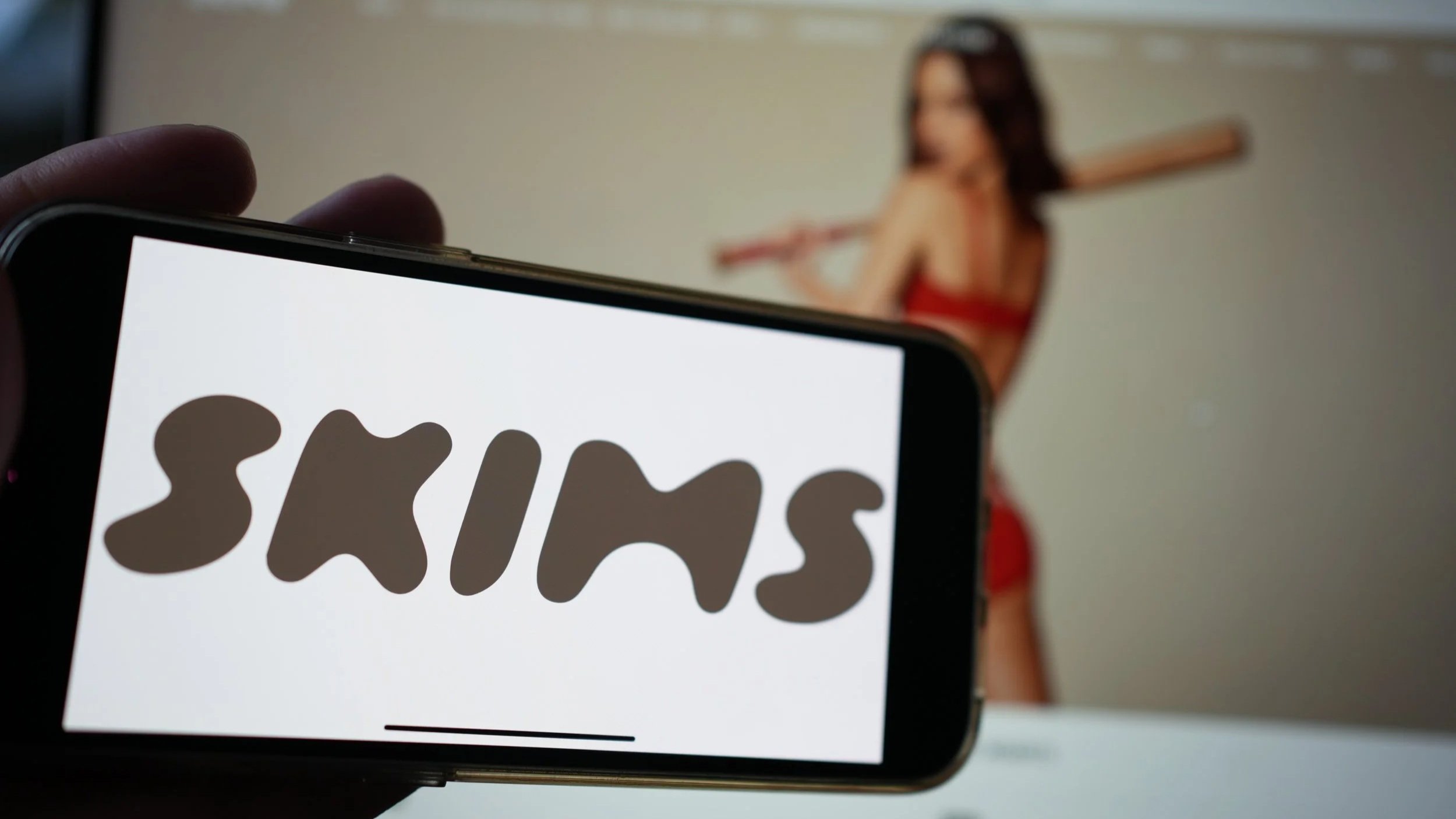
Shapewear by Skims
Odd Muse (@oddmuse)
Founder: Aimee Smale • Launch: 2020 • Category: Elevated basics and tailored womenswear
Before Odd Muse came to life in 2020, British influencer Aimee Smale was honing her eye for style as an assistant buyer at ASOS. With just £12,000 of her own savings, she set out to build a brand from the ground up, focusing on sharply tailored blazers and playful mini dresses. Smale’s commitment to minimizing waste led her to adopt a pre-order, direct-to-consumer approach, and her signature blazer quickly became a sensation, racking up £1 million in pre-sales. Odd Muse’s story unfolds mostly on social media, where Smale’s behind-the-scenes Instagram design notes invite followers into the creative process and heighten the brand’s air of exclusivity.
Smale rarely chases fleeting trends. Instead, she designs in her own creative space, guided by her customers’ preferences and proven bestsellers. Her loyal following is evident, with over half of Odd Muse’s orders coming from repeat buyers. Despite ongoing battles with copycats, the brand has carved out a powerful identity and now boasts a valuation of £24 million. By 2026, Odd Muse broadened its collection of enduring, thoughtfully crafted pieces to include ethically made trousers, dresses, and leather goods.
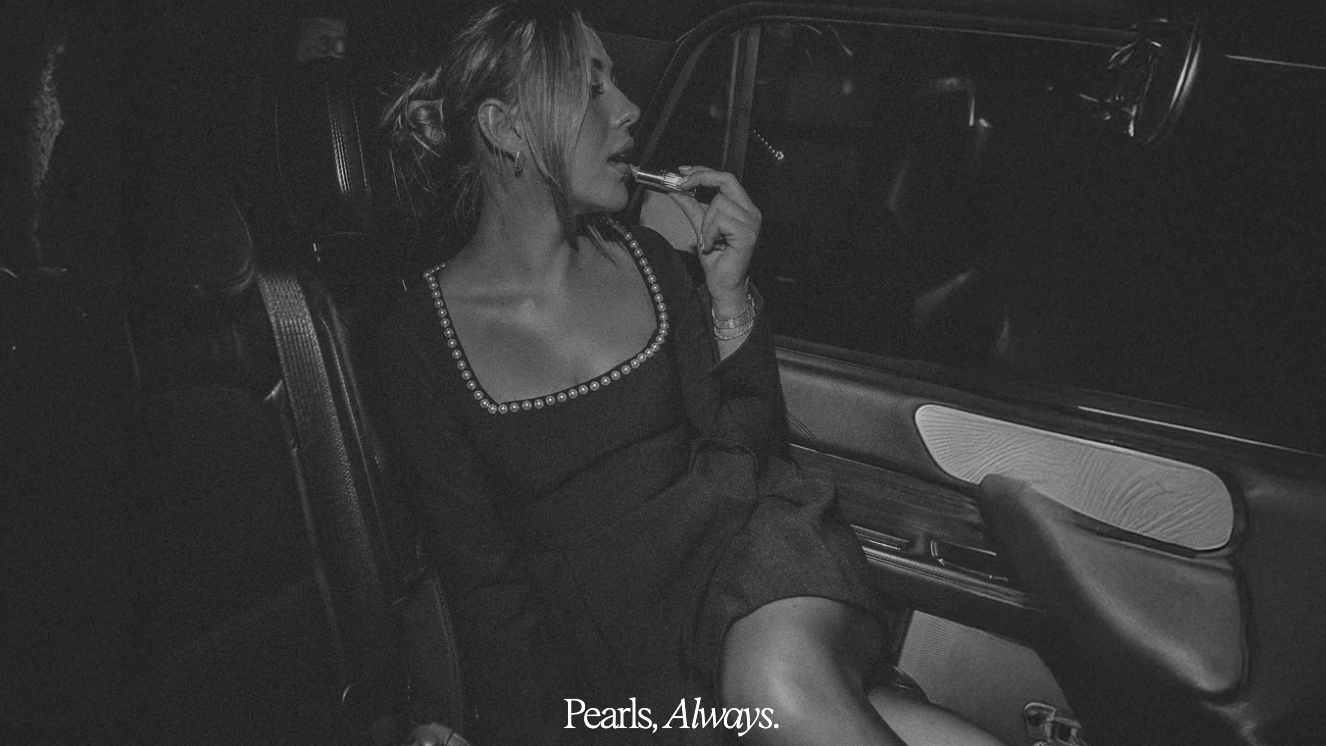
Mini dress by Odd Muse
Frankies Bikinis (@frankiesbikinis)
Founders: Francesca Aiello and her mother Mimi • Launch: 2012 • Category: Swimwear, ready‑to‑wear, accessories and beauty
At 17, Francesca Aiello designed her first bikini and began posting her custom swimwear on Instagram, where her creations gained popularity. In 2012, she and her mother launched Frankies Bikinis. The brand offers beachwear designed for all body types and has since expanded into ready-to-wear clothing, accessories, athleisure, and clean beauty. Their celebrity collaborations with Gigi Hadid and Naomi Osaka highlight the brand's playful, California aesthetic while generating buzz. Their business model relies on frequent new drops, requiring agile operational fulfillment to meet demand.
Frankies Bikinis has built a brand and a community. Francesca Aiello, who often designs and models bikinis, has her friends of all shapes and sizes appear in her campaigns. Her Instagram showcases her designs on diverse body types, with plenty of pastel colors and surf-themed prints, and togs. The brand also offers swimwear as ready-to-wear clothing. Collaborations with Sofia Richie and Naomi Osaka have expanded the consumer base.
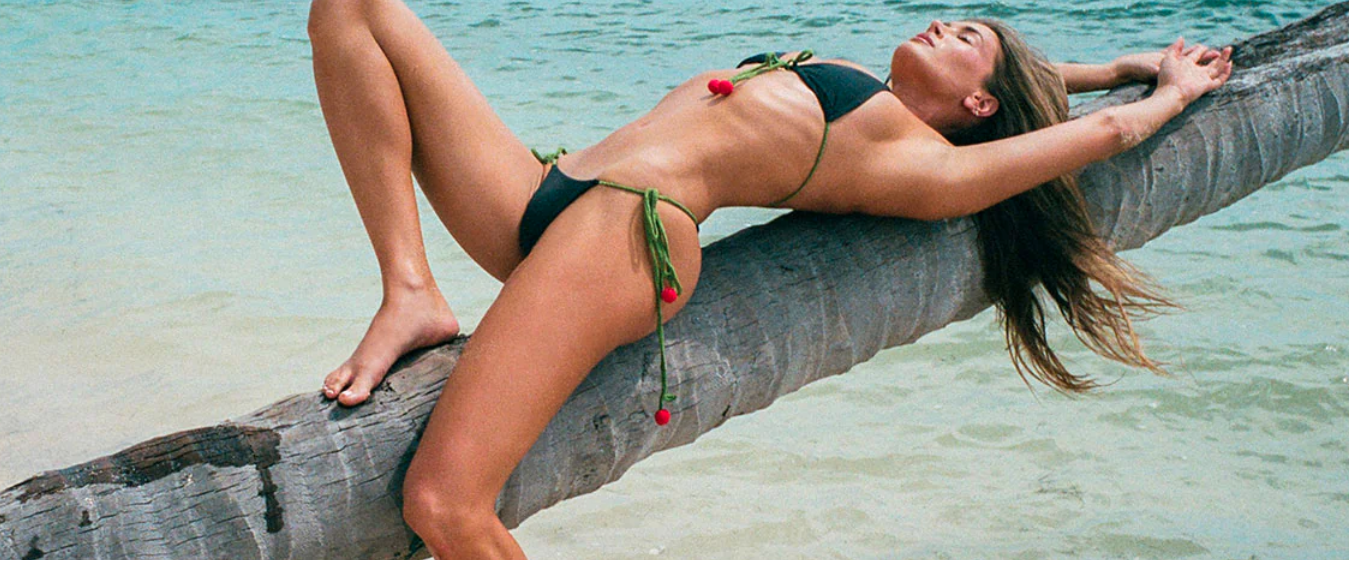
Bikinis by Frankies Bikinis
Djerf Avenue (@djerfavenue)
Founders: Matilda Djerf and Rasmus Johansson • Launch: 2019 • Category: Feminine basics, loungewear and ready‑to‑wear
In 2016, Matilda Djerf, a Swedish influencer, began her blog, attracting over 100,000 followers within 6 months. Matilda and her partner Rasmus bootstrapped Djerf Avenue in 2019 using funds from Matilda's modeling gigs. The first collection, which included neutral oversized blazers and slip dresses, was released in December 2019 and sold out in no time. In 2021, Djerf Avenue was said to have made $8 million, and in 2022, $34 million. More than 50% of their customers are from the United States.
She uses her own brand for a lot of her storytelling. She uses social media to record her styling videos, gives studio tours in Stockholm, and hosts in-person events. Matilda Djerf uses a brand community model called Angels Avenue, where customers support one another and share on the social media platform. In 2023, the brand hosted a pop-up at New York Fashion Week and a brunch with 250 attendees, selected from 6,000 applicants, to meet Matilda. She also partnered with other brands, such as Frankies Bikinis and Emi Jay, to gain additional exposure. Djerf Avenue has generated $35 million in 4 years, with no more than 5% of revenue spent on marketing.
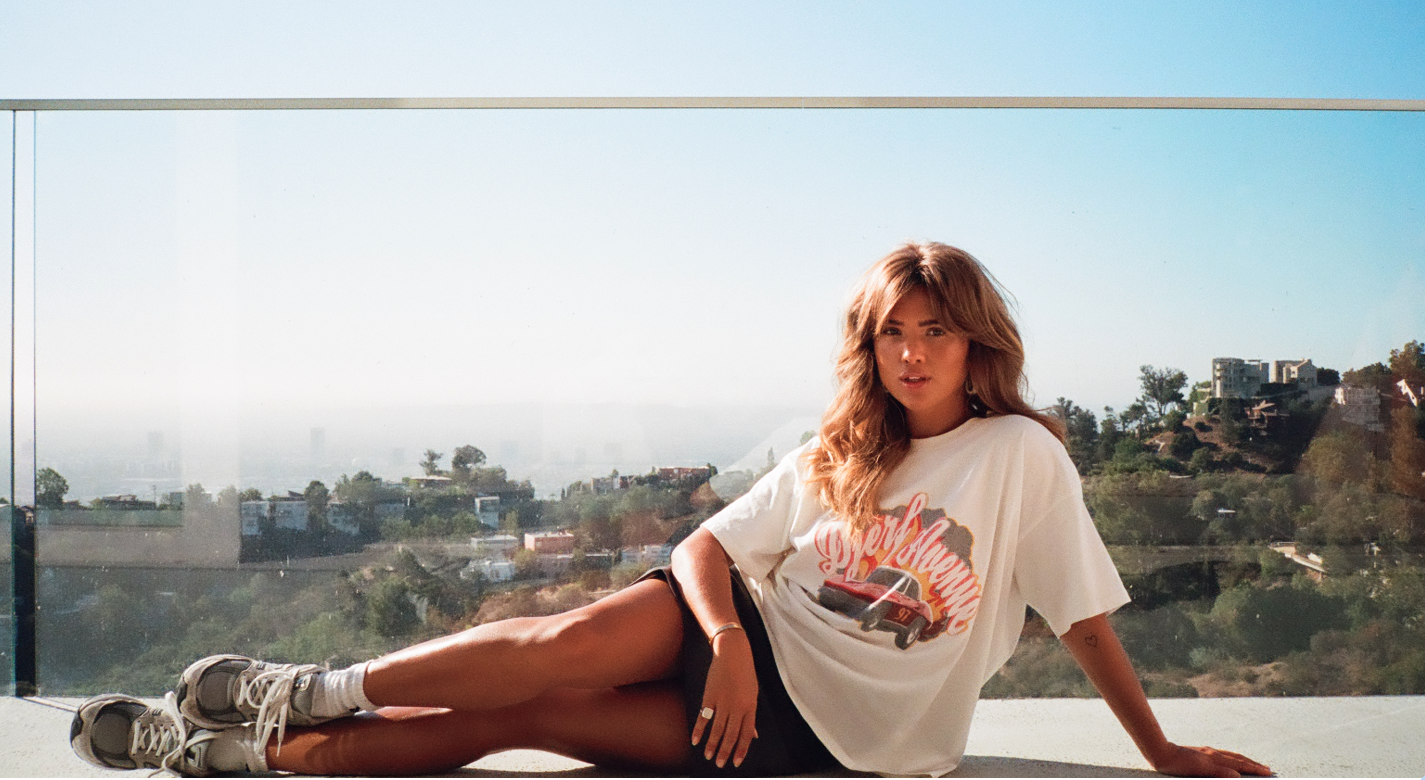
First LA Shoot here
WeWoreWhat (@shopweworewhat)
Founder: Danielle Bernstein • Launch: 2016 • Category: Overalls, swimwear and ready‑to‑wear
In 2010, while still in college, Danielle Bernstein created the blog We Wore What, where she began monetising her New York street-style photos. She created the WeWoreWhat brand in 2016 after noticing there were no modern overalls on the market, and her first drop sold for over $70,000 in 3 hours. She self-financed the brand, allowing her to quickly test and iterate her products. She then added other products to sell, including swimwear, denim, and accessories that sold out in limited quantities. Bernstein spends the majority of her time on the brand, focusing 90% on product development and 10% on influencer work. She believes in building lasting relationships with her manufacturers and retailers, which has helped her develop a successful brand. She launched an e-commerce site in 2019, and by 2023, the business was a multi-million-dollar company, with 70% of revenue from direct-to-consumer sales. The brand's Instagram account gives styling tips and does costume challenges, promoting user-generated content with the hashtag #WWWWear. In 2020, a collaboration with Macy’s sold out and broadened the brand’s target audience.
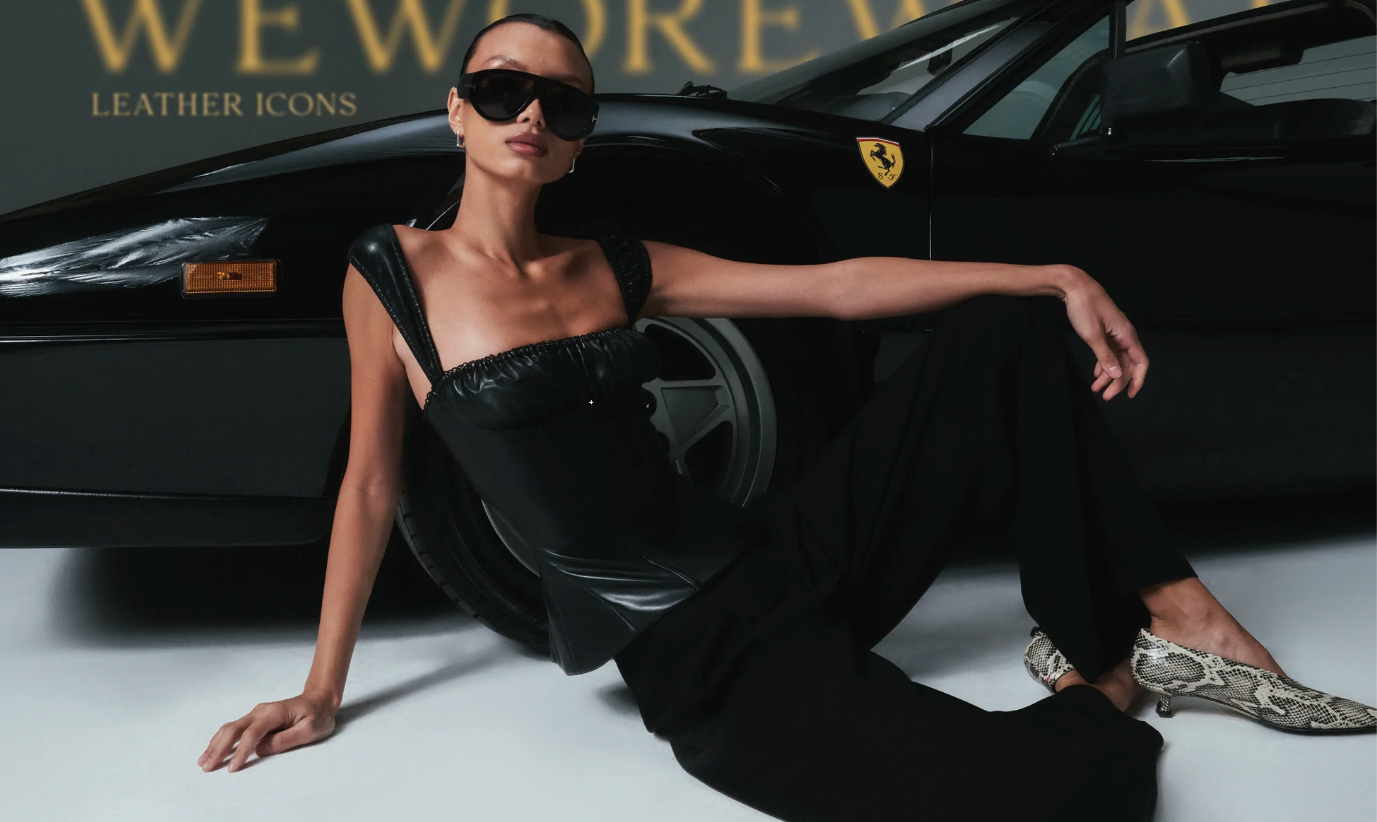
Holiday Pajama Drop by We Wore What
Song of Style (@songofstyle)
Founder: Aimee Song • Launch: 2019 • Category: Women’s ready‑to‑wear, shoes and loungewear
Interior Designer Aimee Song started her Song of Style blog in 2008. After many years of collaborating with e-retailer Revolve, Aimee launched her first collection as a designer with Song of Style in 2019. The collection had 50 pieces with inclusive sizing ranging from XXS to XXL. The collection included a variety of pieces, such as colorful dresses, ruffle-tiered skirts, and tailored suits, all inspired by Samantha Jones from Sex and the City. The collection was priced under $300, making it attainable for a wide audience.
Aimee worked with Revolve’s technical team for 1.5 years to adjust the fittings and fabrics to be just right before launching. The first collection sold out, and loungewear, shoes, and denim were added to the line. Aimee emphasizes storytelling through her travel and home-renovation videos, as well as through design inspiration on Instagram and YouTube. In 2024, Aimee announced another project, Amiya, which will focus on small batches of “intentionally designed” pieces. Her success is due to honest consistency; her blog still receives 2 million page views each month.

Aimee Song Instagram
Rouje (@rouje)
Founder: Jeanne Damas • Launch: 2016 • Category: French ready‑to‑wear, footwear and beauty
Style icon Jeanne Damas was dubbed an “It Girl” at 17, thanks to her blogging and early Insta presence. While her brand Rouje began in 2016, featuring the Gabin wrap dress and a smattering of other floral pieces, the brand has a growing reputation for delivering high-quality pieces, including trench coats, blouses, and in-demand Belleville jeans. Rouje’s style and quality capture the essence of what Damas means by “French chic.” Her attention to detail when styling pieces sets her apart. She’s a master at putting together a subtly impactful look. Rouje expanded her offerings in 2018 to include a beauty line, in 2019 with a pop-up in LA, and in 2020 with additional pieces in up-cycled collections. She opened permanent Parisienne stores to include a Parisian ambiance. She’s also present in campaigns and engages followers on her personal account. Her Parisian nostalgia for 70s style, earthy, romantic prints, and the brand’s aesthetic remain consistent despite the additional offerings.
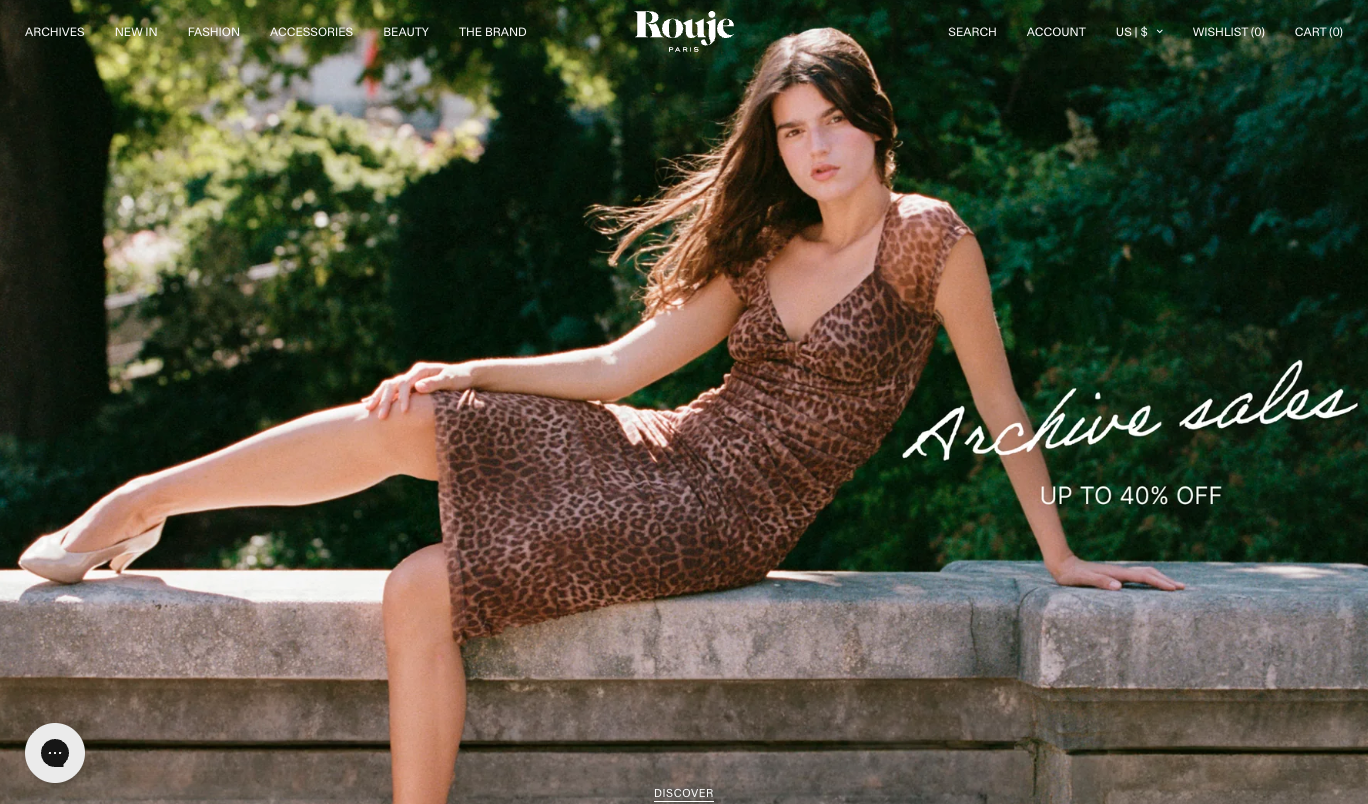
Are You Am I (@areyouami)
Founder: Rumi Neely • Launch: 2014 • Category: Luxury basics and swimwear
Fashion blogger Rumi Neely was one of the first pioneers of the influencer space through her blog, Fashion Toast (5.5 million monthly views). She launched Are You Am I in December 2014, a line of luxury basics (which are still produced locally in Los Angeles). The pieces Neely offered on her e-commerce site (and in Revolve pop-ups) included tees, silk camis, and leather minis, priced at $90-$300. Neely offered pieces that reflected her style and would have a ‘meticulous attention to fit’.
Also, in 2016, Are You Am I added swimwear and swim styles made of high-quality nylon and Lycra. Are You Am I still remains a niche label that produces little stock, from downtown Los Angeles. She still uses her following on the blog and Instagram as her own marketing. The products from her lines still demonstrate craftsmanship and attention to detail, which add value for her audience seeking luxury.
TALA (@wearetala)
Founder: Grace Beverley • Launch: 2019 (independent relaunch in 2021) • Category: Activewear, athleisure, swim, and accessories
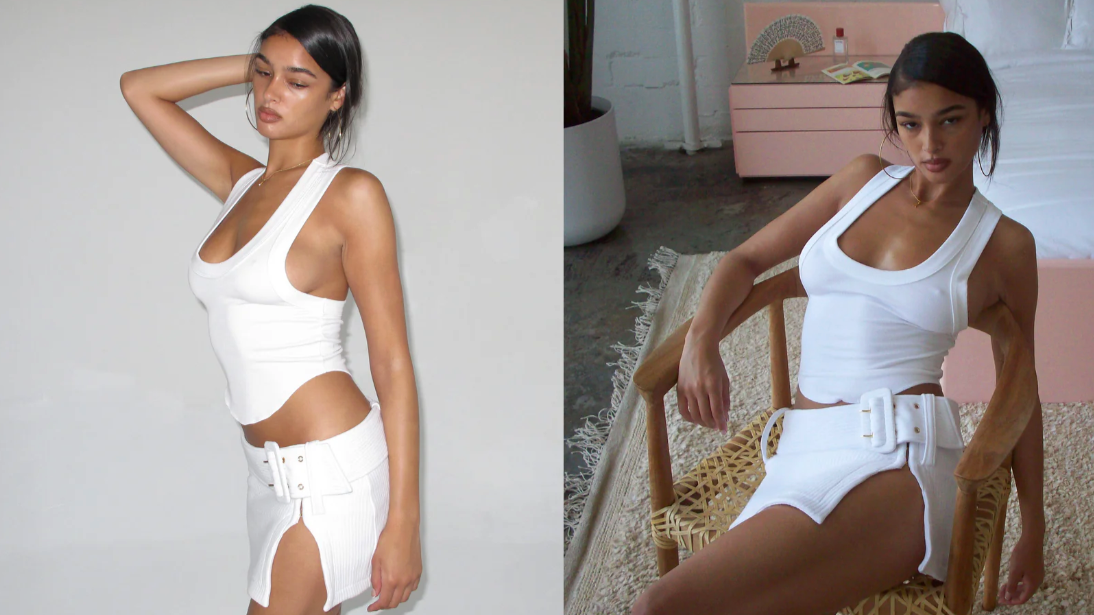
In 2019, Grace Beverley, an influencer (@GraceFitUK) and a student at Oxford University, launched her brand, TALA. At this point, she was still balancing her influencer career and her fitness app, Shreddy. The brand was initially under a licensing agreement and made a whopping £6 million in its first year. Beverley cut the licensing agreement in April 2021 and viewed that as the brand’s real launch. She created TALA as an independent brand focused on recycled and upcycled materials: her leggings use 75% pre-consumer recycled materials, and her seamless collection uses recycled fishing nets.
TALA’s rapid growth has been impressive. Sales jumped to eight figures after doubling in 2023, and the brand completed international expansion funding of £5 million in 2024. TALA plans to open physical locations in 2024 and will remain majority female-owned (75% of leadership positions). TALA’s founder, Beverley, does not call her brand ‘sustainable’, as producing new garments is inherently unsustainable. She does, however, want to make TALA more sustainable than her competitors. Her open and honest approach to business and mental health challenges has fostered brand transparency, and customers appreciate it.
Night Sweet Thing (@nightsweetthing)
Founder: Bridey • Launch: approx. 2020 • Category: Pyjamas and loungewear
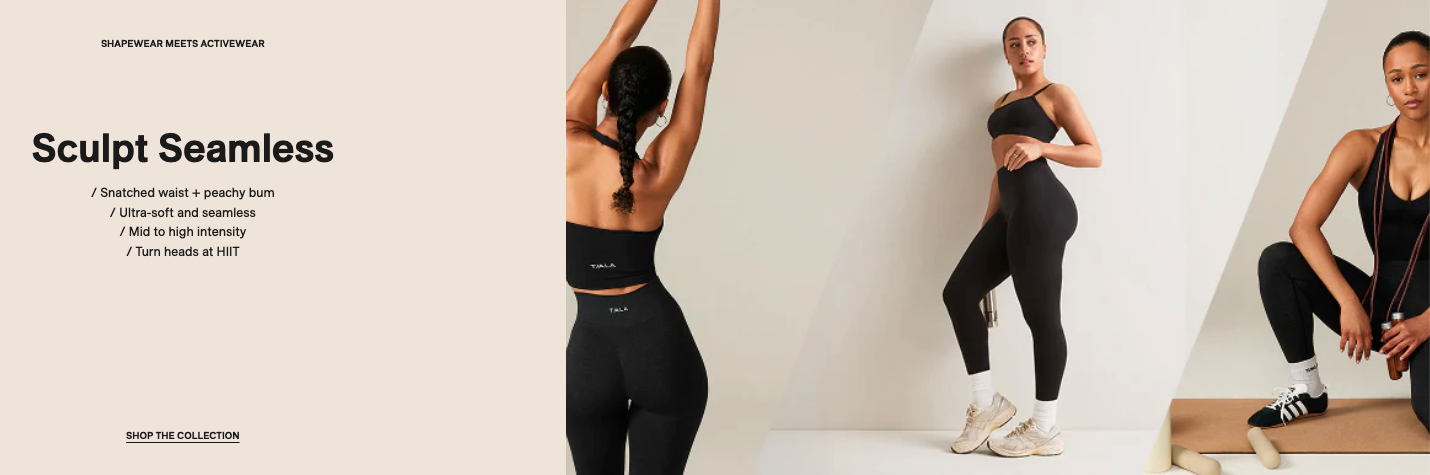
There aren't many details online about Night Sweet Thing, which may be due to its small size. The brand's Shopify about page states that "Bridey" is an Australian woman who values comfort, has started a pyjama business, and shares her life on TikTok. The brand specializes in "colourful pyjama sets" and other comfy loungewear. Bridey also leverages TikTok videos that show her daily routines, order packaging, and even loungewear styling. The brand uses pre-order systems, which allow them to manage their inventory levels with only a DTC (Direct-to-Consumer) strategy. The brand's TikTok videos were, and still are, so successful. Night Sweet Thing's TikTok videos went viral, and the brand sold out many of its collection drops, though its revenue is not publicly available. The brand continues to attract customers through its viral TikTok videos, and it also has a strong, very niche community that continues to support it.
Chiara Ferragni Collection (@chiaraferragnicollection)
Founder: Chiara Ferragni • Launch: 2013 • Category: Footwear, ready to wear, accessories and kidswear
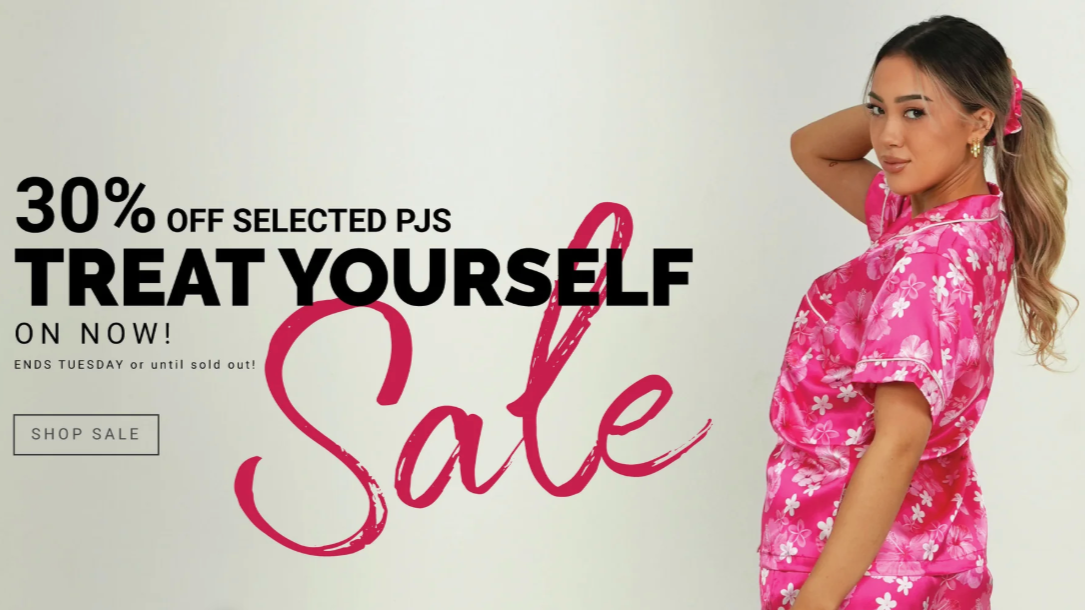
Ever since her blog, The Blonde Salad (founded in 2009), became a multichannel business and Chiara Ferragni Collection became a reality in 2013, she has become an Italian influencer. From its first styles of glittery espadrilles and sneakers, with a “flirting eye” logo, the Chiara Ferragni Collection brand has grown to include clothing and a children’s range. Chiara Ferragni Collection was a hot brand with strong demand. In 2016, the brand made a whopping €17 million and sold in 300 stores around the world, including their flagship stores in Milan, Shanghai, and Hong Kong.
Ferragni exemplified the first use of social media as an influencer. She posted a combination of high-fashion photos and personal life details. Her audience was engaged by her unique angel and emotionally connected to her brand. The collection features unique characters and a youthful palette that appeal to younger consumers. She collaborates with different beauty and fashion brands to capture her audience’s attention. The Instagram feed offers a variety of looks and serves as a scrapbook of family snaps and product photos, making the luxury brand more relatable.
Good American (@goodamerican)
Founders: Khloé Kardashian and Emma Grede • Launch: 2016 • Category: Denim, athleisure and basics.
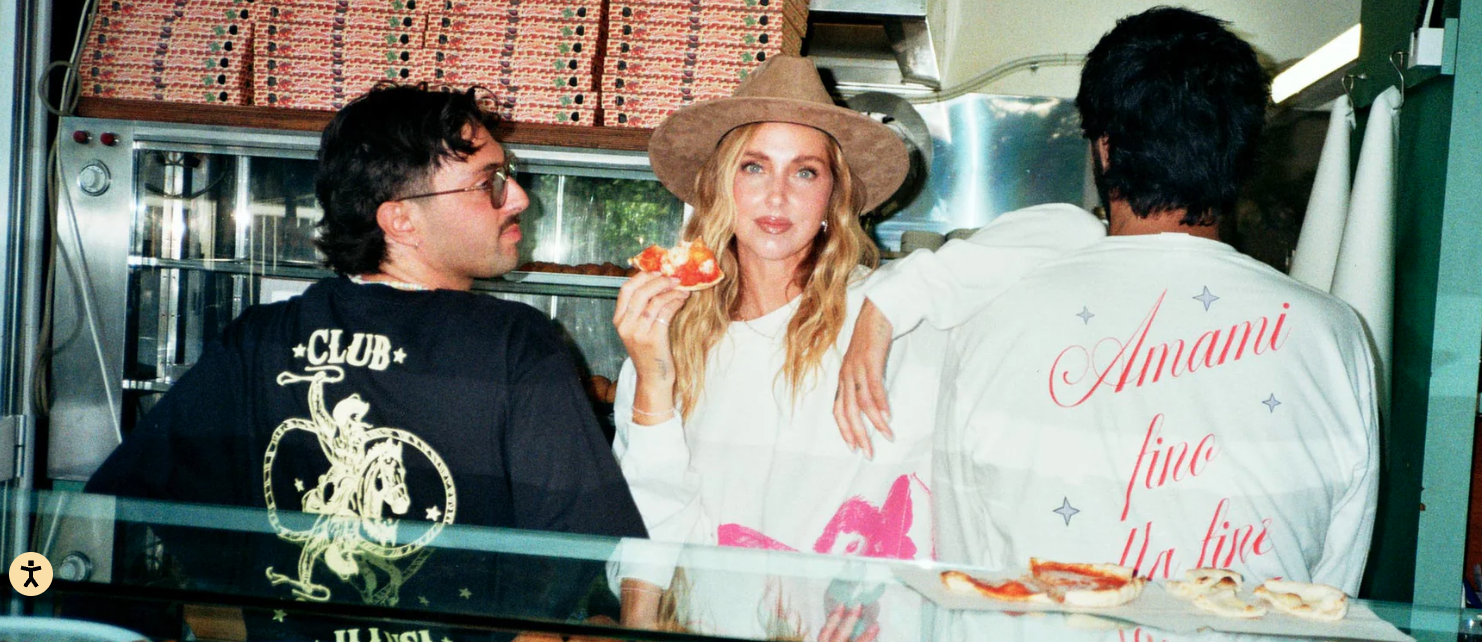
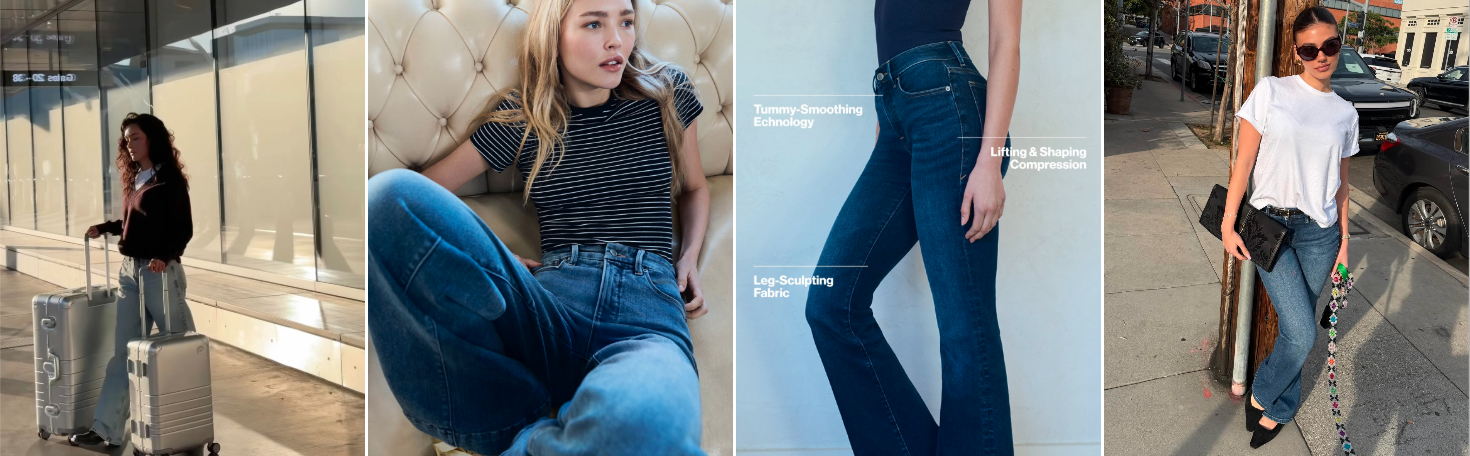
Good American was founded when Emma Grede approached Khloé Kardashian about making jeans for every body type. They forced retailers to sell the entire size range (00–24) rather than just plus size. The brand launched and generated $1 million on its first day in October 2016. The anticipation is credited to the founders of the brand, who ran an Instagram open casting call for jeans that drew 5,000 applicants and featured real women models.
Good American focuses on sculpting bodysuits, inclusive denim, and sweats. They release new products every Thursday. Grede and Kardashian turned down large wholesale orders when retailers only wanted smaller sizes. They made a mission-driven decision rather than choosing short-term profit. After returns for sizes 14 and 16 were high, they added a size 15, demonstrating data-driven innovation. The brand now sells maternity items, swimwear, and accessories, and it is unapologetically inclusive, with campaigns featuring diverse women.
Fabletics (@fabletics)
Founders: Kate Hudson, Don Ressler and Adam Goldenberg • Launch: 2013 • Category: Activewear and athleisure
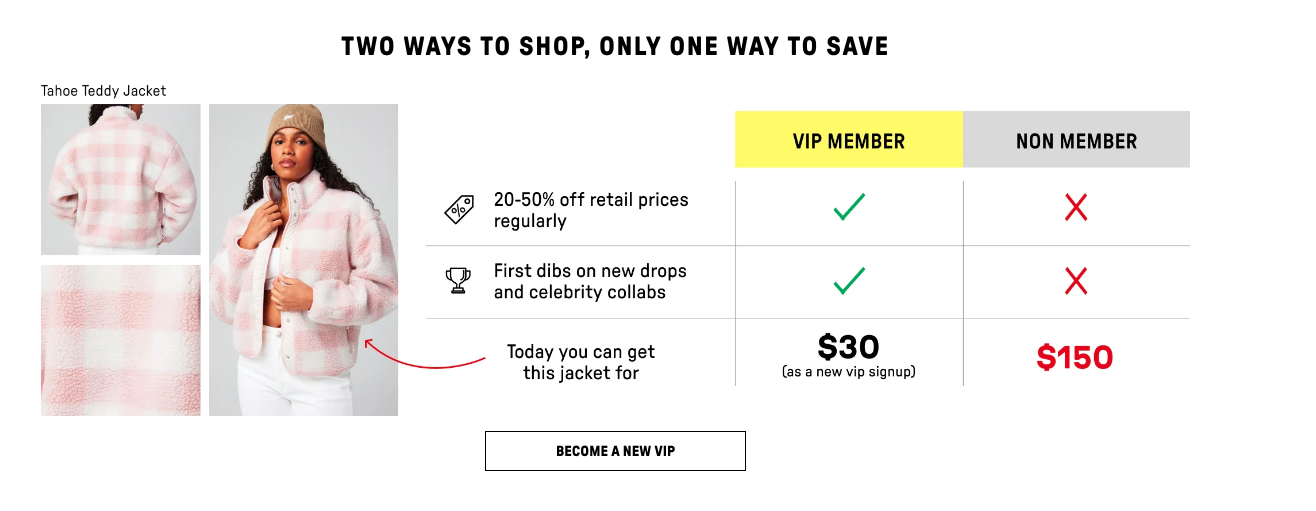
In 2013, Hollywood star Kate Hudson partnered with Don Ressler and Adam Goldenberg to start Fabletics. Their aim was to create high-quality, high-performance, and stylish activewear that would be affordable to a large audience. The company almost instantly reached billion-dollar status, selling high-waisted leggings and supportive sports bras and catering to a variety of body sizes. Fabletics employs a very clever pricing system that charges fairly for its high-quality products through its membership model. About 80% of their customers are VIP members who pay £50 a month, granting them access to discounts, specials, and loyalty points. This system accounts for a large portion of their profits.
Fabletics values community and being genuine. In 2013, Fabletics began using its own “proprietary fabrics” and “luxury” materials, offering “performance” clothing at “accessible” prices. Over the next 9 years, the company acquired more than 95 physical retail locations and had more than 3.82 million members and online customers. Fabletics launched its first men’s collection, designed in collaboration with comedian Kevin Hart, in 2021. It became very popular and now generates approximately 33.3% of Fabletics' total revenue. Fabletics heavily relies on photos and videos from its customers and social media “influencers” that feature “limited-time” offers to advertise the company and spark a sense of urgency among potential customers. Fabletics also posts its own videos on Instagram, including new product “drops,” fitness tips, and motivational posts.
Closing Thoughts
The digital age, now more than ever, allows influencer fashion lines to succeed and showcases the leverage achievable when design and an existing social audience merge together. Founders combine personal stories with real design and supply chain know-how, treating their audiences as customers and collaborators.
Participating communities share the same values: inclusivity, diversity, the surprise of small-batch drops, and storytelling across multiple channels which is a core pillar for their success. As influencers secure venture capital and launch physical stores, the line between social media and the fashion industry continues to blur.
It seems when social media influencers enter the world of fashion, success ultimately depends on the quality of product, the problem being solved, and the business practices being integrated into an otherwise informal approach to marketing, aka influence.