What Is a Fashion Entrepreneur?

There are a lot of different definitions for an entrepreneur. Some believe they are the risk-takers who start businesses from scratch, while others see them as innovators who capitalize on market opportunities - disruptors.
An entrepreneur by definition is someone who launches and directs a business, embracing both initiative and risk.
In the world of fashion, they spot untapped opportunities and invent products or services that fill those gaps, building entire enterprises from their vision. Fashion entrepreneurs run clothing labels, streetwear collectives, online boutiques, rental platforms, eco-friendly brands, or even tech startups that reinvent materials and revolutionize supply chains. They thrive at the crossroads of business and art, relying on creativity, daring, and a deep understanding of what may revolutionize industry or simply excite consumers.
Iconic Fashion Entrepreneurs & Industry Disruptors
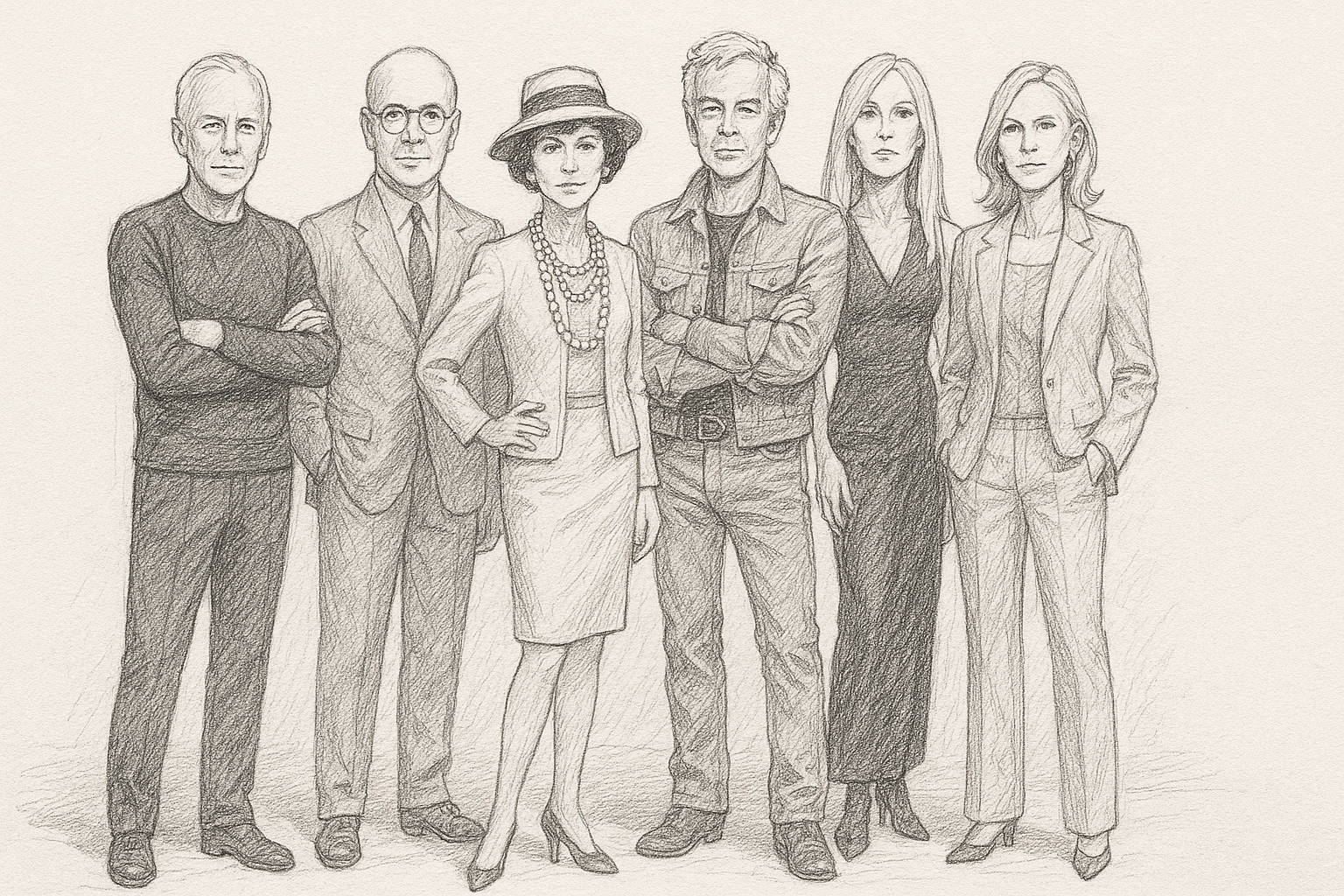
Coco Chanel - With fierce determination, Coco Chanel turned humble hats into icons of style, building an empire fueled by her relentless spirit and bold vision. She began designing women's hats and clothing in the early 1900s and built her brand into a global luxury empire by crafting her vision and working toward it with discipline and commitment. Chanel remains among the most prestigious brands in the fashion industry today.
Virgil Abloh - As the visionary behind Off-White, Virgil Abloh redefined luxury streetwear, blending street style, art, and couture into a groundbreaking brand. His creative genius propelled him to the helm of Louis Vuitton’s menswear, cementing his legacy as a trailblazer. An architect by profession, he started the streetwear-luxury brand Off-White in 2013 and became the first Black artistic director for Louis Vuitton menswear.
Rihanna - Singer and entrepreneur Rihanna shook the beauty world with Fenty Beauty in 2017, celebrated for its inclusive shades and named a top invention by Time. She continued to break barriers with Savage X Fenty lingerie and her luxury fashion line with LVMH, proving that celebrity vision can spark industry-wide change. She disrupted the beauty market with an inclusivity model showcasing 40 shades (very inclusive for makeup brands at the time), and later within LVMH, her line became the gold standard for inclusive sizes, shades, and diverse underwear.
Telfar Clemens - Telfar Clemens shattered conventions by crafting a luxury brand that welcomes all, regardless of gender. The unisex clothing brand is known for democratizing fashion and has built a devoted community around affordable unisex designs. During the pandemic we saw the introduction of the iconic Telfar Shopping Bag (aka "Bushwick Birkin") and winning the CFDA/Vogue Fashion Fund award in 2017.
Emily Weiss – Starting with her beauty blog Into the Gloss, Emily Weiss eventually turned it into Glossier, a brand that quickly raised millions and captivated beauty lovers around the world. Weiss pioneered direct-to-consumer marketing, inspiring a new wave of modern beauty brands. She initially raised millions, launched Glossier with just four products in 2014, and served as CEO for nearly a decade. Stories like hers prove that fashion entrepreneurship is never quick, and never easy. Designers can become CEOs, bloggers can evolve into brand founders, and investors can build digital marketplaces that reshape the industry.
Carmen Busquets – Based on PrometAI case studies, by investing $250,000 (£250,000) in Net-a-Porter, Businesswoman Busquets created Busquets, which was later sold. Busquets later created Cabus Ventures, investing in fashion and digital. Busquets, illustrating the potential of fashion and digital.
Jose Neves – Also accounted in the PrometAI article, Neves created Farfetch by taking an interest in technology and footwear. In 2018, Farfetch became a multi-billion-dollar venture. Neves launched the new platform with innovative strategies that leveraged technology traditions.
(For the complete list of iconic fashion moguls click here)
So what exactly Is Fashion Entrepreneurship?
Fashion entrepreneurship is different from simply being a fashion designer, since fashion entrepreneurs must also integrate the business side. Fashion entrepreneurs assume the greatest responsibility and, therefore, the greatest risk. They build networks, create joint ventures, and handle basic business functions. These functions include, but are not limited to, innovation, business planning, fundraising, sales and marketing, managing a small business, and in many cases, designing. To be successful in fashion, as in any other creative industry, a person needs to combine creativity & passion, with the reality of business and sales.

What Do Fashion Entrepreneurs Actually Do?
The short of it is that Fashion Entrepreneurs have to do many different jobs at once.
1. Developing A Brand
Fashion entrepreneurs focus on a specific market segment, analyze the competition, and develop a business strategy. Having a brand is the most important part of marketing. The American Marketing Association describes branding as having an identity in every aspect of a business, and that identity should be consistent. It is up to the entrepreneur to formulate a brand that reflects their identity, value, knowledge, and their audience.
2. Managing Design & Product Development
Fashion entrepreneurs guide the products in a particular direction, even if they are not designers themselves. RMCAD’s guide to starting a fashion brand focuses on the fact that, after developing a brand and identity, entrepreneurs should focus on design and development of a collection, which means determining how many articles of clothing to release at once, what is in demand, and if it is possible to make it and sell it. They must also develop a pricing plan that accounts for material, shipping, and other supply chain management costs, as well as the buying power of the intended audience.
3. Organizing Manufacturing, Supply Chains & Production
Finding suppliers and manufacturers and managing production schedules are core activities in the fashion business. It is the backbone, because without quality products, you are dead in the water. Sustainable and ethical brands may choose to use local, eco-friendly materials. Managing inventory and the supply chain correctly is crucial to avoid delays and stockouts. As The Textile Learner explains, timely production and global supply chain management are among the most pressing issues fashion entrepreneurs face.
4. Strategic Marketing & Media
Unlike legacy designers, fashion entrepreneurs must consider the sales aspect of product design. According to Pearl Academy, fashion entrepreneurs strategize, manage, market, and scale fashion ventures, whether a clothing label, a rental platform, or anything in between. They integrate marketing and budget allocation into supply chain management. They create brand assets, manage customer engagement, and use storytelling to craft captivating, buzz worthy, social marketing campaigns. Successful entrepreneurs “leverage a variety of channels, including media, influencers, and traditional marketing techniques to generate excitement around their brand”.
5. Managing E-Commerce and Retail
A number of today’s fashion entrepreneurs run their own online boutiques and/or sell their merchandise through digital marketplaces. For instance, Emily Weiss of Glossier started her business after gathering feedback through online communities and selling directly to customers. Farfetch’s José Neves predicted a global digital platform that would connect individual, independent boutiques and online customers while allowing stores to retain their brand identity. Entrepreneurs commonly handle website management, logistics, customer support, and sales data management to automate customer retention and sales optimization processes. Entrepreneurs might also launch physical pop-up stores or flagship locations when the brand grows.
6. Managing Teams and Contractors
As the business grows, fashion entrepreneurs must recruit additional employees, and their roles shift from the sole Creator to the Team Leader. At this point, new employees are often designers, product developers, marketers, sales managers, and supply-chain managers. Fashion entrepreneurs must also possess leadership and networking skills. Within their creative departments, team managers have to balance the work of the business, manage the employees, and maintain a cooperative atmosphere.

Indie Success Stories
Not every business gets recognition, and many solo brands do quite well targeting specialized markets. Solo-entrepreneur ventures have become more common as small ethical brands focus more on slow-fashion practices. These brands typically started off with a small community and often implemented strategies like no-waste, upcycled denim, and streetwear. Utilizing small batch runs to forecast demand and even pre-order to balance market testing with resource efficiency.
A great example of an indie success brand is SpiritHoods - Founded in 2010 by 4 friends who wanted to make faux‑fur hats that also supported endangered animal charities, quickly attracting celebrity attention. Reaching $9.3 million by the time the founders pitched on Shark Tank. Between 2018 and 2021, revenue increased 63%, and a new marketing strategy boosted revenue 99 % in early 2020.
Another way Indie brands rise is through Instagram. Social Media-Born Boutiques are another form of democratization that social provides when early, easy-access platforms give room for designers to grow organically.
Do You Need a Degree to Be a Fashion Entrepreneur?
You do not need a fancy diploma to launch a fashion business. Just consider Telfar Clemens, Virgil Abloh, and Rihanna. Clemens dreamed up Telfar while still in college. Abloh pivoted from architecture to redefine fashion, and Rihanna transformed her personal style into a global empire. These trailblazers show that passion, vision, and relentless drive matter far more than any degree.
Still, you can gain a lot from a structured educational program. Fashion design, merchandising, and business administration are all fields of study that can help you gain valuable knowledge, and go a long way to improving your chances of success. Some of these knowledge areas include pattern making, branding, consumer psychology, and accounting. In RMCAD, you will learn to design business proposals and do market research to understand supply chain systems. In Pearl Academy, the programs are focused on design fundamentals, marketing, consumer psychology, sustainability, and e-commerce.
You can also chart your own learning path, picking up wisdom from industry news, trade shows, and hands-on projects. Resources like FutureLearn offer a treasure trove of websites, books, and courses to help you master business proposals, funding, and operations. The journey does not end once your idea becomes a business. As Karl Lagerfeld wisely put it, it’s an absolute necessity to keep learning as we grow.
How to Become a Fashion Entrepreneur
Spotting a Target Market – Knowing the particular market you want to serve and WHY is crucial. According to the Textile Learner, it is market knowledge, coupled with an understanding of consumers that drives a market. Investigate potential competitors, pinpoint their marketing gaps, and plot solutions with your products that address those gaps and solve problems or add value to the market.
Creating a Product Concept – Whether you dream of launching a service, designing standout clothing, or inventing a groundbreaking fabric, creativity is your passport. Visionary entrepreneurs venture beyond the expected, capturing attention with ideas that echo their brand’s spirit. They craft samples, shape the mood, weave in emotional details, build technical foundations, and refine everything through feedback until their vision comes to life.
Developing the Brand and Business Model – Shape a brand identity that radiates your values and draws in your ideal audience. Define your mission, vision, and style; choose a memorable name and logo, and set pricing that fits your market. Map out your offerings, analyze the industry, craft a marketing plan, organize operations, and forecast how your strategies will fuel financial growth. Before making full investments, use platforms such as Kickstarter for market presales or crowdfunding to validate your idea, or make, test, or produce small batches to confirm whether the market demands it. Many small indie brands test the market with small batches, order pieces, or try to do small capsule collections to manage their risks.
Launch and Market - Create a marketing strategy centered on social media, influencer marketing, and press release tactics, and leverage exceptional e-commerce techniques. The importance of multi-channel marketing as a successful tactic for attracting attention to the fashion business can not be understated.
Manage Operations and Finances - Oversee production, inventory, shipping, and finances with care. Tame the challenges of supply chains and logistics by building systems that streamline your workflow, set quality standards, and keep deliveries on track. Entrepreneurs analyze sales and use market research to determine whether the product or marketing needs to change. Also, they remain adaptable. When there are market changes or new technologies. When scaling, there are many options, such as new product categories, new markets, new investors, or new, more established retailer partners.
For more tailored advice, you can find a mentor or coach like those from seasoned expert consultants for personalized guidance. It’s always wise to seek out a mentor or coach who’s already achieved some semblance of the dream you also aspire to. The Growth Operative is a team of people still operating brands, with a wealth of combined knowledge exceeding any one individual's experiences. Their practical advice and/or execution of marketing/production/creative etc can be hired at fractional levels, so you don’t have to bare the burden of exorbitant agency fees.
Common Myths about Fashion Entrepreneurship

There are several reasons why the pursuit of fashion is not an endeavor for everyone. In fact, many would argue it’s one of the most difficult industries to succeed in. But if you are determined, we’ll tackle some of the resistance points for many would be Fashion Entrepreneurs:
Most people think, "You must be a designer." The truth is, many fashion entrepreneurs are not designers. Busquets and Neves are investors and technologists, respectively, and they were able to build successful companies without knowing how to pattern make. Also, designer-turned-entrepreneurs such as Abloh and Clemens even cite that a business strategy is just as important (if not more so) than the design itself.
Another popular thinking is that "You need a fashion degree." Although a fashion degree can be extremely helpful, many entrepreneurs learn through direct experince or learn from studying with an apprentice, or just diving right in. Abloh, for example, was a civil engineer and architect, and neither Rihanna nor Weiss came from the fashion world.
Most people think that to start, "It must cost a lot," and this is a reality but to a degree. As an Entrepreneur, you are automatically tasked with a need to be crafty and resourceful. Period. Bootstrapping is common, and Fashion is no exception (check out our blog How Much Does It Cost To Start A Fashion Line for more detailed info on what to expect from various start up stages). With the rise of social media, print-on-demand, and crowdfunding, starting a business (if you're being clever and resourceful) can be affordable. For example, starting with a small capsule collection to launch a business, utilizing preorders to limit the risk of over producing, using platforms like Kickstarter to raise initial funds, are all examples of getting crafty. SpiritHoods, for example, was initially funded by one of the Founders, Latif Hamilton, for $30,000. He went on to borrow money from friends, eventually gaining access to institutional funding from banks. Spirithoods has since generated more than $55 million in revenue since its inception, and Latif has since launched a consultancy called The Growth Operative to help Fashion Entrepreneurs at every stage.
Lastly, many assume that "You must launch a full collection." This is not only untrue, but it can be detrimental to start out this way. A small, strategic start is best when finances are limited. This is a very common way businesses get off the ground.
Final Thoughts — Is Fashion Entrepreneurship for You?
Fashion entrepreneurship is a thrilling adventure for those who are passionate about the craft. Yet, turning creativity into a thriving business calls for more than talent; it demands sharp business instincts, bold strategy, and a willingness to take risks. If you find yourself drawn to both artistry and enterprise, and you are ready to dive into the analytical side of fashion, this path might be a perfect fit. Seek out professional coaching, mentorship, and a supportive community to fuel your growth. Remember, there is no universal blueprint for success. Chanel began with hats. Virgil Abloh fused streetwear with high fashion. Rihanna championed inclusivity. Emily Weiss transformed a blog into a billion-dollar brand. Carmen Busquets and José Neves broke ground with digital platforms. Their common thread - a powerful mindset, consistent execution; and a willingness to push through the discomfort and fear of being a Fashion Entrepreneur.
FAQ
Do you need money to start a fashion business?
Not necessarily but for more on the costs of starting a business check out our detailed blog How Much Does It Cost To Start A Fashion Line. You can start seeing demand for the business by taking preorders or even launching a capsule collection. If the business starts generating income, you can begin reinvesting or seeking additional investors. For more on the costs
What if I don’t know how to sew?
The good news is that, whether you know how to sew or not, as a fashion entrepreneur you can hire designers, work with product developers, and outsource the parts of the business you don’t know - even creativity. You can focus on your strengths in running a business and working with others who may be good at designing clothing to develop a product for sale.
How long does it take to launch?
The answer to that will vary by individual pace, whether you are self funded or get financial backing, if your production is overseas or domestic, and a variety of other factors. As you study the competition for the field your attempting to enter clarity will emerge. But creativity can’t always be rushed or as simple as the operational side of our minds would like to believe. Great products with stopping power should be an important part of your aspirations in design, especially considering todays fashion.
As for a true fashion designer, it may take 5 to 10 years to develop a product that consumers are interested in. So again, it depends largely on what angle you’re coming to Fashion from. Other options if you are not a designer are to partner with one you believe in. collaborations herald many great Fashion Businesses.
Fashion Brand Starter Checklist (Simplified)
Define Your Vision: Explain what problem you want to solve, who your intended customer is, and what guiding values will shape your brand.
Conduct Market Research: Understand your competitors, analyze current trends, and investigate consumer behavior to shape your research.
Develop Your Product: Create models and sketches of your product, or map out the elements of your new service.
Write a Business Plan: Detail your company mission, product descriptions, a market analysis, your marketing strategy, operational plans, and financial projections.
Create a Brand Identity: Design a logo, narrate a backstory, and finalize your company’s guiding values and purpose.
Test the Market: Establish pre-orders, pop-up events, or fund your campaign to gauge consumer interest and understand it.
Establish Supply Chains: Manage procurement, production, transportation, and quality control.
Launch Marketing Campaigns: Use a combination of social media advertising, influencer partnerships, networking, and event hosting to increase brand awareness.
Set-up E-Commerce: Create a functioning website, organize your inventory, and develop a customer service workflow strategy.
Iterate and Scale: Use customer feedback to enhance your product and service offerings, and/or streamline your processes for greater efficiency, then broaden your offerings or add new sales channels.