Your Guide to Hiring Remote Offshore Workers

What you're about to read might seem un-American.
But if you're an entrepreneur, you need to know how to stack the odds in your favor in a world built for Titans.
Which means we need to talk about remote offshoring.
When my graphic designer left a few years ago, I replaced her with someone from Argentina. She had the same skill level. Cost $2,500 a month instead of $6,500. And I didn’t have to pay taxes, liability insurance, or a 401k.
For Entrepreneurs, the stark reality is that AI is a game changer - in productivity and personnel costs, and though that has repercussions on humanity as a whole, we’ll be left in the dust if we don’t go all in. Hiring employees from abroad is another game changing, competitive edge in a system designed to favor Corporate Titans.
Offshore hiring, done right, is one of the highest-leverage moves a Small Business Owner can make right now. I'm talking about building a real team of qualified people who show up every day, are vetted, smart, and ready to learn your business to become genuinely indispensable.
I've been doing this for several years now, both through SpiritHoods and The Growth Operative. And I want to share my experiences, what I got wrong, and what you need to know before you start.
What "Remote Offshore Hiring" Actually Means Today
Our first remote offshore hire was admittedly nerve racking. I wasn’t a fan of remote work in general, let alone hiring someone from overseas in a completely different time zone, culture, and potentially differing ethical views.
If you’ve only ever heard of “offshore hiring” in the context of giant corporations outsourcing contracts or a sketchy Fiverr experience, that’s not what we’re talking about here.
The world has changed.
Offshore hiring, in the modern remote-work sense, is not much different than hiring any remote worker, even in the US. You work with an agency, for example we work with Goodwork, love them (this is not an ad), and they have a pool of talent to choose from, or you build out a custom hiring program (a little more costly, but only marginally so).
The amazing thing is that the Goodwork team, and I assume many Remote Offshore Hiring Agency, does the heavy lifting for you. They find people in other countries, vet them, and help you onboard them to your team.
Remote hires are basically employees, without all the constraints of domestic employees, think workers’ comp, taxes, payroll costs, and 401k’s. Technically they are contractors, but in my experience they behave no different than an employee that is directly accountable to you.
The difference is geography, think time zone arrangement, and the cost. It’s a fraction of the cost to hire offshore, and by fraction, I mean FRACTION! I will break down the economics shortly.
The pool of talent to choose from? Enormous and totally qualified (with some training of course).
SpiritHoods and The Growth Operative use Goodwork. They have no idea I’m writing this article, and this is in no way an affiliate play. I don’t do those, I feel it taints the perspective, and if you’ve read any of my work, you know I’m all about integrity - thank you Martha Beck - so nothing has been paid for here.
The Goodwork Mission: To help 1 Million women in emerging economies gain financial independence.
I love this model. And I believe in what they are doing. I also needed to make the switch if I was gonna stay competitive as a creative entrepreneur running 2 small businesses.

Why the Math Is So Compelling
In most parts of the United States, a competent operations associate or marketing coordinator runs you somewhere between $50,000 and $70,000 a year in salary alone, before you factor in benefits, payroll taxes, office costs, 401k, or the time it takes to recruit and onboard them.
In countries like Pakistan, the Philippines, Colombia, or Indonesia, a skilled professional in the same role, someone with real experience, English fluency, and a strong work ethic, earns closer to $8,000 to $20,000 per year.
That’s an average of $1,400 per month, full time.
It’s not that inexpensive because the work is worth less. It’s because the cost of living is dramatically different and the dollar buys significantly more in those economies. It’s a win win.
That cost gap when done correctly, can lead to far better outcomes for both the remote offshore contractor and you - the business owner. If you pay at the top end of their local market rates, you're providing genuinely life-changing compensation for someone while also dramatically reducing your own overhead.
The caveat here - is that it becomes tragic when companies use the wage gap to underpay people who have no better alternative. That is some BS right there. So don’t be one of those people.
The agency we’ve worked with for years, Goodwork, approaches this directly. They source exclusively from regions where the dollar goes furthest, pay at the top end of local market rates, and their entire mission is built around economic empowerment, specifically for women in underemployed economies.
They take no cut from worker wages and their fee is a flat one-time placement fee.
What organization you work with when it comes to this matters alot. We use Goodwork because they're incentivized to find you the best person, not to maximize the wage gap, or make a cut.
How many United States hiring agencies charge an arm and a leg for an employee? The middle man fee’s are astounding. We’ve hired through agencies like that and it’s a nightmare for the first 6 months while we pay an insane overage fee. If you know, you know.
Let’s take my original graphic designer, she was $6,500 USD per month full time. That didn’t include taxes, insurance, workers’ comp, 401k, and all the little things that go along with having an employee that we already covered.
After a solid vetting process and a variety of candidates sourced through Goodwork, I hired someone from Argentina to replace her. She is equally amazing, hard working, adapts quickly, and is compensated fairly by Argentinian standards. I pay $2,500 USD per month. That’s it.
We pay a $500 fee for candidates already within their bank of talent. If we need a custom hire, like a specialty position or if we prefer a specific country because of creative style or hours of operation, there’s a small fee of a few thousand dollars additional.
That’s it.
Many companies that facilitate remote workers abroad also guarantee their candidates for a period of time, so if it doesn’t work out, you don’t have to pay again to replace them if it’s within the trial period.
What Roles Actually Work Offshore
This is where a lot of people get confused. They assume offshore hiring is for "basic" tasks only. That's absolutely inaccurate. It is true that certain regions are better for certain roles. For example, when we were being guided by the team at Goodwork, I specifically asked which regions were best for visual graphics for my creative lifestyle brand SpiritHoods. They were quick to note that in many parts of Asia, graphic designers generally had skewed conservatively and had more of a corporate aesthetic.
We landed in Central and South America to find our creative talent. So, without further ado here are the categories where we've seen offshore talent excel:
Operations and Administration
Project management, executive assistance, admin support, data management, scheduling, process documentation, these roles are perfect for remote offshore hiring because they're primarily communication and organization-based. The skills transfer universally. A great ops person in Karachi is a great ops person.
Marketing
Social media management, email marketing, content writing, SEO, ecommerce marketing, copywriting, all of this works extremely well offshore. In fact, some of the strongest writers and strategists I've encountered came from Pakistan, the Philippines, and Colombia. Written English fluency in these markets is genuinely high, especially among university-educated professionals.
Finance and Accounting
This one surprises people, because it surprised me. I’m actually hiring a bookkeeper now through Goodwork, and the talent to cost ratio is astounding. Remember, these people go through a hiring process to be vetted just like at any other organization - background checks, you name it. Accounting, bookkeeping, financial operations, these are categories where offshore hiring has become a recognized practice in professional service firms. The Philippines in particular has a massive accounting talent pool because of how closely the country's educational system tracks international financial standards. If you're asking which regions are best for accounting specifically, start there.
Note: If you’ve ever worked with a United States based Bookkeeping firm, you’ve likely worked with an accounting or bookkeeping specialist from overseas. The primary bookkeeper when we subcontracted to an outside firm was from, you guessed it, the Philippines.
Creative Work
Graphic design, video editing, photo retouching, content creation, creative work has been going offshore for years. Talented designers in Southeast Asia and South Asia often studied under the same international design programs and work with the same tools as their Western counterparts. I will say, if you require an intense creative flare, this is often a bit harder to find the right fit. Like I mentioned above, we had better luck in South America, but that doesn’t mean you can't find the right person anywhere, it just helps to know which regions to look for what type of talent.
Technical Roles
Developers, automation specialists, business intelligence analysts, this is the category that gets searched for the most, and for good reason. Software development talent in Pakistan, India, and Eastern Europe has powered some of the biggest tech companies in the world. The skill pool is enormous. So if this is you, you’re in luck.
For smaller companies specifically, the most impactful first offshore hire tends to be operational, someone who takes the administrative and project management load off the founder. Not a developer, not a creative. An operations person who can actually see the business clearly because they're close to it every day. I have watched several friends that are entrepreneurs utilizing remote offshoring for these roles specifically with great success. I can’t personally comment on it, but I’ve seen it work well first hand.
Client Services
Customer support, account management, virtual front-office, these work well offshore when you set clear communication standards and do the training upfront.
I happen to know Donna Salyers at Fabulous Furs, one of our biggest competitors up until their recent company closure, and they had been working with the same 2 customer service agents in Asia for 5 years with astounding results. She told me that “The process was challenging at first, but after a few months we had better customer service, better customer service hours, better response times, and 70% cost savings.”
That is raw power.

Best Regions for Specific Roles
No single country is best for everything. Here's a practical breakdown:

Pakistan
Extremely strong across operations, marketing, finance, and technical roles. High English fluency among the educated workforce. Goodwork sources heavily from here, and their placement track record reflects it. Pakistani professionals working remotely for Western companies is not a new phenomenon, it has been happening quietly for over a decade.

Philippines
Often considered the gold standard for English-language work offshore. Customer service, accounting, and operations are particular strengths. The cultural alignment with Western business norms is high. Time zones skew toward Asia-Pacific but many Filipino professionals are accustomed to working U.S. hours.
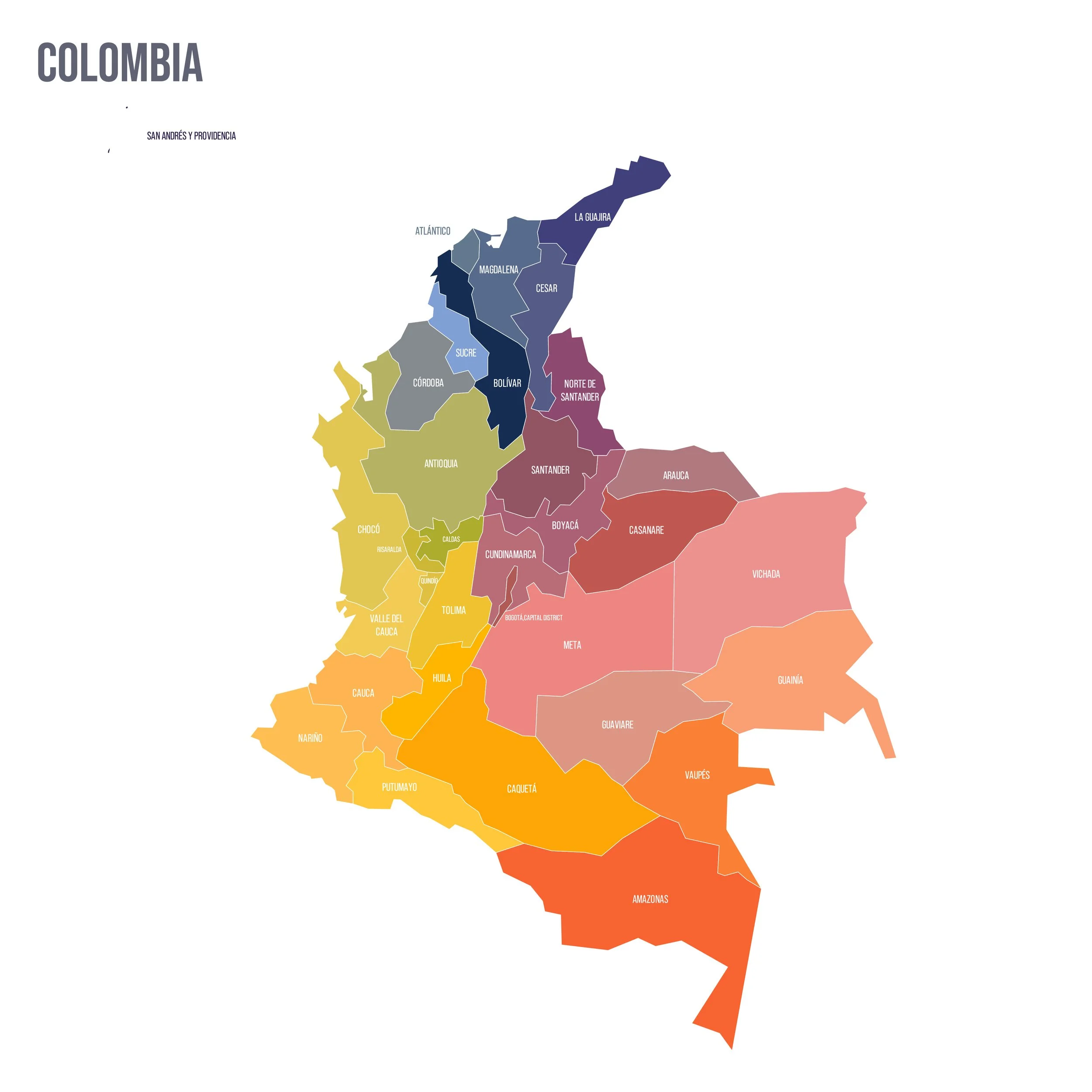
Colombia
Growing fast as a talent market, and for good reason. Strong creative and marketing talent, and significantly better time zone alignment with North America than Asian markets. If real-time overlap matters to you, Colombia is worth looking at.
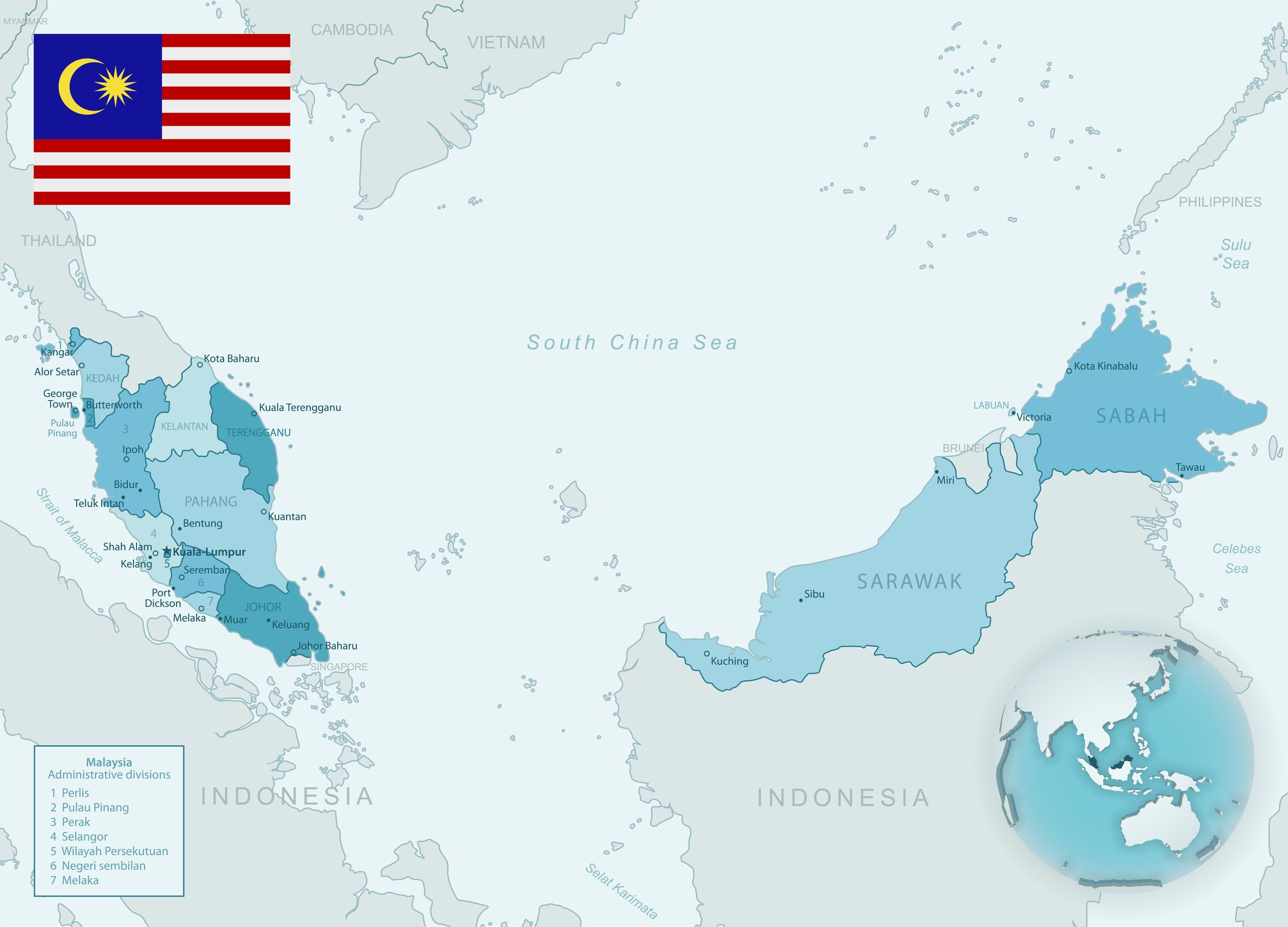
Indonesia and Malaysia
Strong for technical and operations roles, with competitive rates and an increasingly well-educated professional workforce.

Eastern Europe (Romania, Ukraine, Poland)
Known primarily for technical talent, developers especially. Rates are higher than South Asian markets but still substantially below U.S. equivalents. Strong work ethic and deep technical education.
How the Hiring Process Actually Works
This is the most important part of the process - The Initial Phase.
The worst thing you can do is post a job on Upwork, get overwhelmed with applications, pick someone based on a review score and a 15-minute interview, and wonder why it didn't work out.
The right process takes longer, sure, but it will save you enormously on the back end.
Here's what a rigorous offshore hiring process looks like, using Goodwork's model as a reference because it's the best version I've personally encountered, and side note, why not just work with a specialized service like them. I’ll provide a list of remote offshore companies towards the end of the article.
Step 1: Define the role clearly before you do anything else.
This sounds obvious, but most people skip it. You need to know what this person will actually do on a daily basis, what tools they'll need to know, what your communication expectations are, and what success looks like in 90 days. The more specific you are here, the better your candidate pool will be.
Step 2: Run a real recruitment campaign.
This means posting across multiple platforms in multiple regions, actively headhunting, screening for both skills and culture fit, and building a shortlist from a large initial pool. Goodwork runs campaigns across up to 12 regions for their standard tier and headhunts roughly 100 profiles per region before screening down. That's a lot of filtering before you see a single candidate. In other words, a good hiring agency does the heavy lifting for you.
Step 3: Use a practical test.
This is the step most platforms skip and it's the most valuable one. Before you make an offer, give your top candidates a real task representative of the work they'll be doing. A 2-3 hour paid practical test reveals more than three rounds of interviews ever could. Skills people claim on a resume become immediately visible when they have to demonstrate them. And yes, you have to put in the work. Sometimes the default for an overworked entrepreneur is to be lazy, and skip steps, but if you want to have a powerful, skilled new remote offshored employee, you gotta put in the work!
Step 4: Check references properly.
Offshore reference checks feel awkward to a lot of employers because you're calling or emailing someone in another country you've never met. Do it anyway. What do you have to lose?? Ask specific questions about reliability, communication, how the person handled problems, and what they struggled with. You'll learn a lot with that step alone.
Step 5: Make a structured offer with a clear first 30 days.
The onboarding period is make or break, and I have done this incorrectly myself, so it’s important to do this correctly. Most placement failures happen not because the person lacked skills but because the onboarding was too thin, they weren’t included as a proper team member, or they didn’t set clear expectations. You have to do a little extra work, but if you’re saving $50,000 a year on labor, you can follow a slightly elevated management protocol. Check in frequently in the first month, and treat it like any other onboarding process.

How to Pay Offshore Workers
This part is generally pretty easy but it can be a little tricky.
We treat our hires like employees. They get the same days off as our in-office employees. So first of all figure out how you want to treat them, since the sky is the limit here as there’s not the same restrictions for a remote offshore contractor. But, I’ll tell you straight out that the reason we’ve had such good retention is because we bring everyone into the family of our company.
For payments, the mechanics depend partly on what country your hire is in. Here are the most common methods if you're working with talent from some of the countries we’ve already mentioned, which is where many of the strong English-language remote workers currently come from:
Remitly is the most commonly used option for business-to-individual transfers into Pakistan. You set up a business account, enter the recipient's bank details, and send in PKR (Pakistani Rupees) from your debit or credit card. It's straightforward and the fees are reasonable.
Payoneer is popular globally and works well in most offshore markets. The recipient sets up their own Payoneer account, sends you a payment link, and you pay through the platform. They withdraw to their local bank. This is one of the cleanest solutions for ongoing payments.
Wise works in many markets but has had limitations for Pakistani users, so confirm before relying on it.
Other options that come up depending on region: Remitbee, OFX, Western Union, XE, and local solutions like SadaPay. We actually just use Bill.com to make all our payments at SpiritHoods, but we are a mid sized business that makes international payments often, so this was not an issue.
Make sure to figure out the payment infrastructure before you extend an offer. Nothing creates friction and erodes trust faster than delayed payments. Trust goes both ways here, and just like you, I was thinking about how trustworthy and trackable it would be to have remote offshored employees, but think of it from there end. How many times have honest foreign workers partnered with a company that lacks morals? It happens a lot more than you think. I have a close friend that worked for a company in Ethiopia but was based in the United States - the inverse of what we’re discussing here - and she was stiffed 3 months pay because of delays and ultimately lies. She never got that money, it was devastating.
So make sure to have integrity, and to set up your systems before hand, it’s not hard.
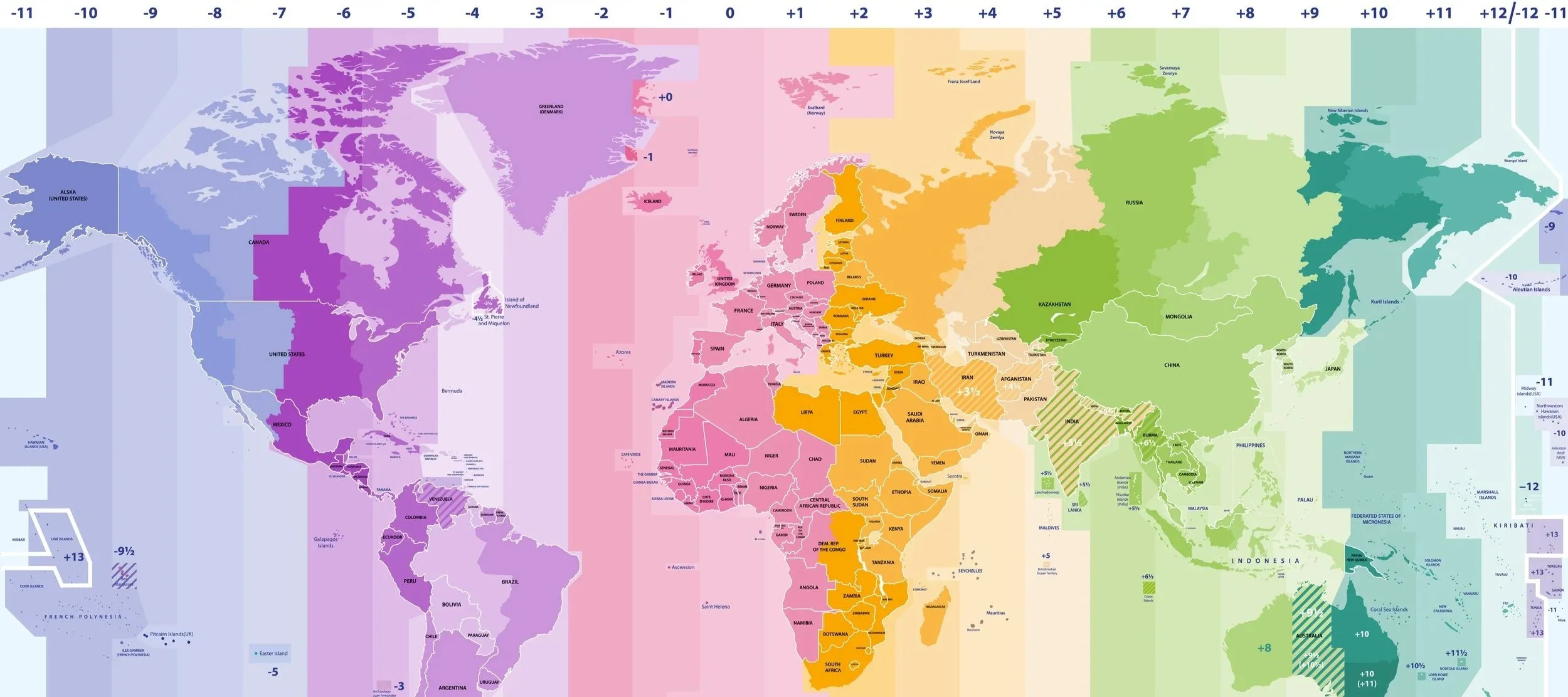
The Timezone Question
One of the most common concerns people have is, how do I work with someone that is 8 or 12 hours in time difference?
The honest answer is that it depends on the role, you, and your new hire.
The three main models that work:
Fixed hours overlap. You require your hire to work during your business hours. This is more common for client-facing roles and anything that requires real-time communication. Some offshore workers, particularly those who specialize in working for Western companies, are fully accustomed to this.
Partial overlap. You agree on a 4-hour window where you're both online, and the rest of the work is done asynchronously. This is the most common arrangement for operational roles and it works well when your communication culture is good. We use this exclusively and we hire candidates that appear capable of self sufficiency. I recommend you do the same if your not the best manager.
Fully async. You assign work, set deadlines, and trust the person to execute without synchronized hours. This works well for roles where the output is the measure, content, design, data analysis, bookkeeping. This is totally workable if you don’t need to interface with them directly and just want to wake up to an inbox full of things to work on and respond back to.
My honest recommendation is to start with a partial overlap before working into a full sync. This way you can practice good communication, time zone awareness, and a new management structure. If you communicate clearly, set expectations well, and manage by output rather than activity, the timezone gap becomes virtually irrelevant. That’s how it’s been for both my brands SpiritHoods and The Growth Operative.
What Kills Offshore Hiring Arrangements
Let’s dig into what types of things make this a nightmare.
Unclear expectations at the start. If you don't tell someone exactly what you want, how you want it communicated, and what good looks like, you will be disappointed. This isn't unique to offshore workers, it's a universal management problem. But the timezone and communication gap can make it trickier to navigate. And there is the fact that for most offshored workers, english isn’t their first language, so you need to be extra clear, practice asking them to repeat back to make sure you know they understand the requests.
Hiring cheap instead of hiring right. Don’t do this. Offshore hiring where you're just trying to get something done for the least amount of money possible is a recipe for disaster. You'll find someone, things will start okay, and then they'll get worse. Would you hire the cheapest person domestically for the task? And if you do, you need to practice the mantra “You Pay For What You Get”. The right move is to hire the best available people within your budget, and if that means you can only afford them part time, then so be it.
Under-onboarding. Bring someone into your team like they are a part of your team. This is huge and cannot be understated. The best thing we can do as managers is be inclusive. Give them context about the business, introduce them to tools and processes, explain how decisions get made, and include them in weekly meetings, even if it’s not 100% relevant to them so they can see what the company culture is like and feel included. The people who treat their offshore hires as disposable task-completers are the ones who cycle through them every six months.
No feedback loops. Check in regularly. For my Pakistani copywriter, we had 3 weekly check ins that were 15 minutes on Monday - Wednesday - Friday. That was it but you need to be direct about what's working and what isn't. Most offshore workers are eager to improve and extremely responsive to feedback. The problem is rarely a willingness to improve, it's that the employer isn't communicating clearly enough about what they actually need.

The Social Impact Layer
Every offshore hiring agency is different. When you hire someone through a platform like Goodwork though, which focuses specifically on women in emerging economies, you're not just saving money. You're participating in something that has documented downstream effects.
Women invest a significantly higher percentage of their income back into their families than men do. Children's education and nutrition improve. Financial independence changes the dynamic of households in ways that reduce other kinds of harm. These data points are backed by data from UNICEF, the World Bank, UNDP, and others who study what actually happens when women in developing economies gain stable income.
Goodwork's mission is to get one million women from emerging economies to financial independence. Every hire is a step towards that goal, and the individual stories behind each hire are remarkable. Executive assistants in Malaysia earning six figures (in local purchasing power terms) for the first time. Operations managers in Pakistan describing how the financial stability changed their sense of self.
This adds a layer of beauty to remote offshoring. As a business owner, being able to look at a hiring decision that was also genuinely positive, not just profitable, is something that you both feel good about and share with others.
What to Look for in an Offshore Recruiting Partner
If you're going to use an agency or recruiting service to help you find offshore talent rather than going direct (which I'd recommend for most first-time offshore hirers), here's what separates the good ones from the bad:
Transparency on wages. Does the agency take a cut of your hire's wages, or do they charge you a separate placement fee? These are very different structures. A cut of wages creates a permanent incentive for the agency to keep salaries low, and that is not good for anyone. A flat placement fee aligns their interest with yours, and is what we recommend.
A real vetting process. Ask what their screening looks like. How many candidates do they look at before presenting you with a shortlist? Do they do practical tests? Do they verify references? The answer to these questions tells you immediately whether they're doing the work or just passing resumes.
A guarantee. Any serious recruiting service should stand behind their placements. A 30-day money back or free replacement guarantee is the baseline. Goodwork goes further, 6 months on their custom tier, 8 months on executive placements. That alleviates stress and as I mentioned earlier, you pay for what you get, though in this case it’s still drastically less expensive than domestic hiring.
Post-placement support. What happens after you make the hire? Are you just handed a name and a contract template and left to figure it out, or is there actual support for the onboarding process?

Getting Started: The Practical Checklist
If you're ready to make your first offshore hire, here's where to start:
Define the role before anything else. Be specific. Write a real job description with real responsibilities, real tools, and real metrics for success.
Decide on your timezone model. Fixed overlap, partial overlap, or async. Make this decision before you start recruiting so you filter for it, but also be open minded to what the recruiting agency suggests given your goals.
Figure out your payment infrastructure in advance. Set up Remitly, Payoneer, or whichever platform works for your hire's country before the offer letter goes out.
Plan your onboarding. At minimum: a document that explains your business, your tools, your communication expectations, and what you're evaluating in the first 30 days. You should have a doc with links to various websites you use, get them set up with log in credentials where applicable, and be inclusive with your team.
The first offshore hire was the hardest one for me because I had no experience with it. But that’s what makes entrepreneurs so successful sometimes, they try things.
The second hire is easy. By the time you have three or four people working for you across different time zones and regions, like me, you'll wonder why you waited so long to save so much money and super charge your business.
Here’s a list of companies we’ve found that specialize in remote offshore hiring. We can only recommend Goodworksince we consistently have had good results with them. And as a reminder, we are in no way incentivized to promote them, they don’t even know we wrote this article, we just love them.
Reputable Offshore Hiring Agencies Worth Knowing
Goodwork is my personal go-to and the one I'd recommend first for most SMBs, but it's not the only credible option in this space. Here are five others doing this well, each with a slightly different model depending on what you need.
Goodwork is the one I actually use, so take that for what it's worth, but it's also the one I'd recommend first to most SMB owners regardless of my personal experience. The model is straightforward: a flat one-time placement fee ($500 - $2,000 for their standard tier, $3,000 for a full custom campaign, $6,000 for executive searches), no ongoing cut from your hire's wages, and a quality guarantee that ranges from one to eight months depending on the tier. What sets them apart operationally is the depth of their process, they run campaigns across up to 12 regions, headhunt roughly 100 profiles per region before screening down, run a paid practical test on finalists, and do real reference checks before anyone gets to you. You're not sorting through a pile of resumes. By the time you're interviewing, the heavy lifting is done. Their exclusive focus is female talent from underemployed economies, primarily Pakistan and surrounding regions. The mission is financial independence for one million women, and the structure of the business actually reflects it: top-of-market local wages, zero wage skimming, and a Talent Accelerator add-on that continues developing your hire after placement. If you want a direct working relationship with someone genuinely integrated into your team, transparent pricing, and a company whose incentives are aligned with yours rather than with maximizing ongoing fees, this is the one to start with and the one I personally work with.
Goodwork is the one I actually use, so take that for what it's worth, but it's also the one I'd recommend first to most SMB owners regardless of my personal experience. The model is straightforward: a flat one-time placement fee ($500 - $2,000 for their standard tier, $3,000 for a full custom campaign, $6,000 for executive searches), no ongoing cut from your hire's wages, and a quality guarantee that ranges from one to eight months depending on the tier. What sets them apart operationally is the depth of their process, they run campaigns across up to 12 regions, headhunt roughly 100 profiles per region before screening down, run a paid practical test on finalists, and do real reference checks before anyone gets to you.
You're not sorting through a pile of resumes. By the time you're interviewing, the heavy lifting is done. Their exclusive focus is female talent from underemployed economies, primarily Pakistan and surrounding regions. The mission is financial independence for one million women, and the structure of the business actually reflects it: top-of-market local wages, zero wage skimming, and a Talent Accelerator add-on that continues developing your hire after placement. If you want a direct working relationship with someone genuinely integrated into your team, transparent pricing, and a company whose incentives are aligned with yours rather than with maximizing ongoing fees, this is the one to start with and the one I personally work with.

2. Pavago
Probably the closest in spirit to Goodwork for SMBs. Pavago was built by founders who went through the offshore hiring journey themselves, reduced their own CAC by 40% within three months of their first offshore hire, and then built a wait-list of other business owners asking how to do the same (Pavago). Their model is unusually transparent: a $500/year membership fee for unlimited placements, plus $329 per month per candidate once someone is onboarded -- that monthly fee covers salary processing and ongoing support.They source from Pakistan, Latin America, and Africa, covering operations, marketing, sales, finance, and admin roles.
They handle payroll, compliance, and continuous training for placed talent, which takes more off your plate than Goodwork's model does. The trade-off is that they're managing the relationship more so than others, which is either a feature or a limitation depending on how directly you want to work with your hire. Good reviews from SMB owners, fast turnaround, and founder-accessible support.
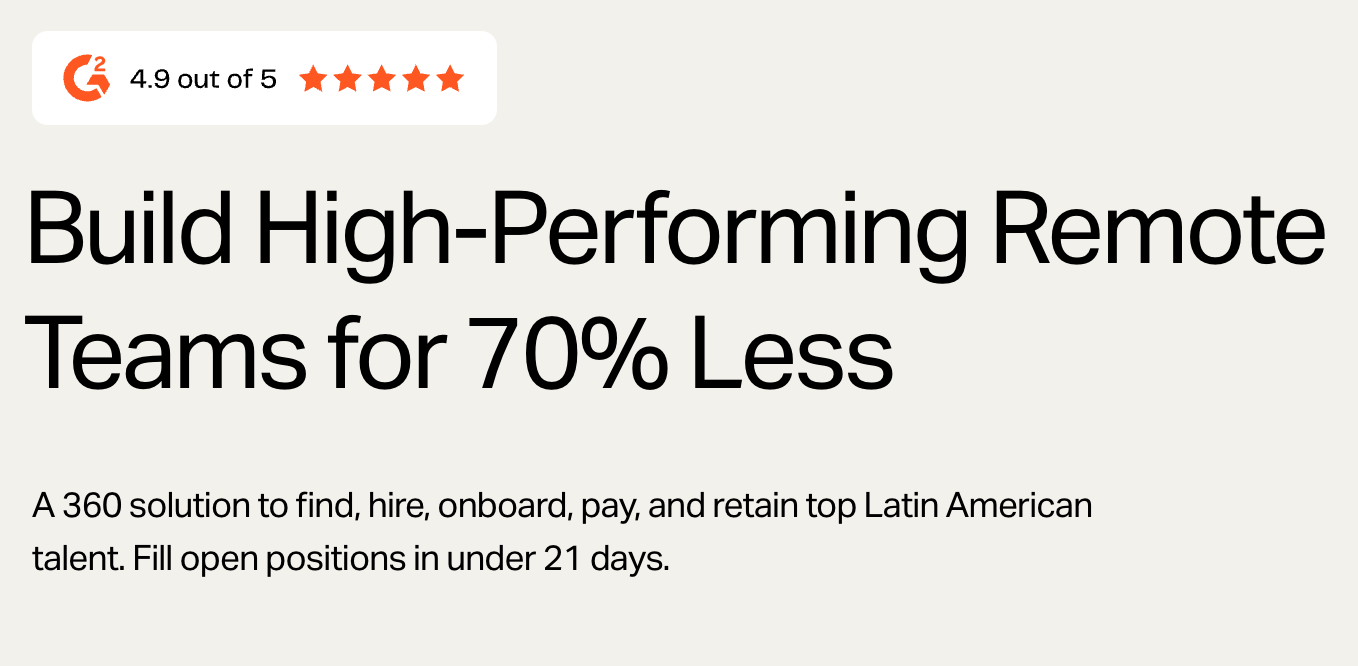
Near is a 360 solution for finding, hiring, onboarding, paying, and retaining talent -- specifically focused on Latin America, with a 21-day placement target and emphasis on time zone alignment with U.S. companies Hire with Near. That last part is the main reason to choose Near over other options: if real-time overlap matters to you and you want someone working in your time zone without anyone adjusting their schedule, LatAm talent is the answer. They source across finance, accounting, software engineering, customer support, marketing, sales, and virtual assistant roles, with a 97% placement success rateClutch.
The honest caveat: their fee is 30% of the first year's salary, which some reviewers have flagged as being on the high end, especially when you factor in that LatAm rates are higher than South Asian markets to begin with. Strong quality, strong reviews, but you're paying more for the time zone advantage.
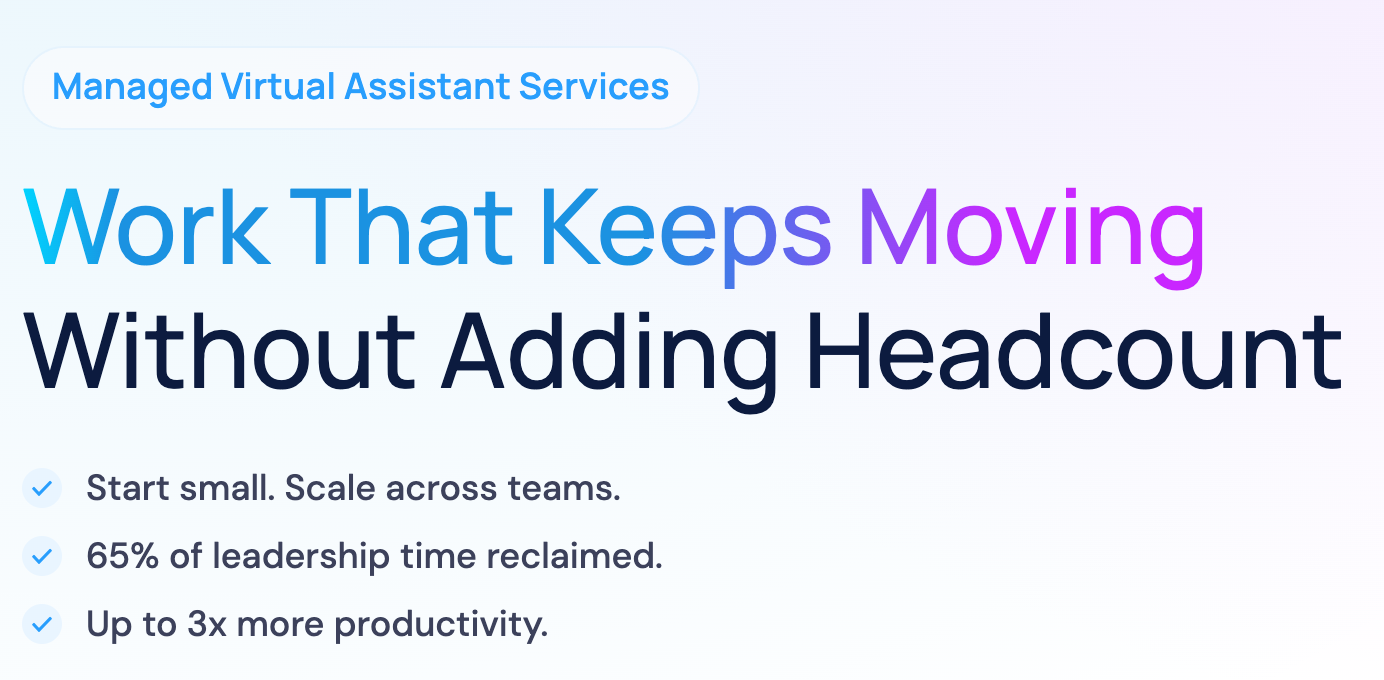
Wing is a different model than the others on this list -- it's not a placement agency, it's a managed service. Wing provides managed virtual assistant services with built-in recruitment, training, supervision, and continuity coverage, meaning the work stays owned even as responsibilities expand Wing Assistant. Pricing starts around $999/month for entry-level roles and goes up to $2,400 or more for mid-to-senior positionsVirtual Wizards, and the assistant works through Wing's platform. If you're not ready to manage someone directly, if you want more of an outsourced-ops arrangement than a direct hire - Wing makes sense. The trade-off to know about: assistants reportedly earn 45-74% of what clients pay, with Wing keeping a significant platform margin.
That's worth knowing if the ethical dimension of your hiring decisions matters to you, and it probably should. Good for admin, customer support, and operational tasks. Not the right fit if you want someone truly embedded in your business with a direct working relationship.
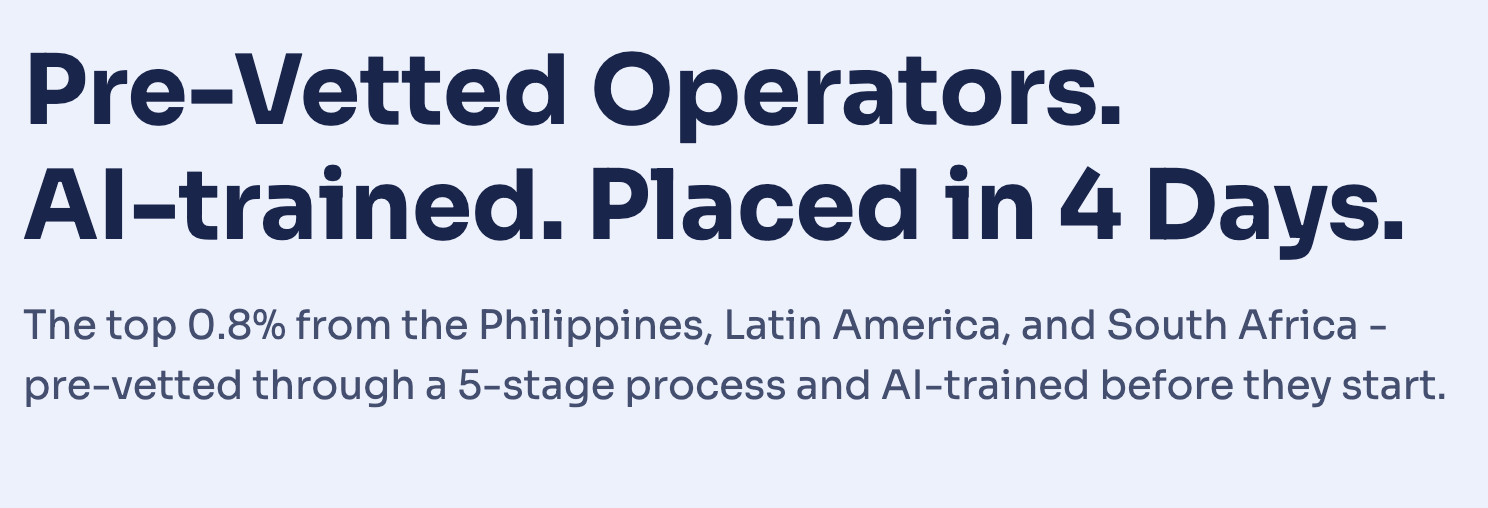
Pearl focuses on what they call "elite global talent", primarily for roles like executive assistants, chiefs of staff, operations managers, and senior-level support positions. They're more selective than most, with a rigorous vetting process and a positioning around placing people who can actually grow into strategic roles. Strong reviews from founders who've tried other platforms first and found Pearl's quality meaningfully better.
Pricing is on the higher end for placement fees but if you're hiring for a role that sits close to you and has real influence on how your business runs, the extra vetting is worth it. Good option if your first offshore hire is going to be someone who works directly with you daily.

Remote CoWorker specializes in providing dedicated virtual professionals with a strong foundation in Filipino talent, they handle routine tasks and operational support, and focus on finding the right role fit for each business. The Philippines is one of the strongest markets in the world for English-language remote work, and Remote CoWorker has built their whole model around it. Good for businesses that specifically want Filipino talent for customer service, admin, bookkeeping, or marketing support roles, and want a structured agency relationship rather than a direct hire process. Reviews are generally solid, pricing is competitive, and they're a credible mid-tier option for anyone specifically interested in the Philippines as their hiring region.
Final Thoughts
Saving money on hiring is not even the starting point.
The first step is knowing what to do with the capacity you already have, and then exploring what positions to hire based on your strategic objectives. What will yield the most bang for your buck at the stage you’re currently in? The answer might surprise you.
Learning how to integrate talent across time zones, how to structure roles that support the growth you're chasing, and how to think differently about what your company needs to look like twelve months from now is the most important part of your objective. Building the system around you properly is what reduces stress and produces results.
The Growth Operative helps you do just that. With over 20 years as an entrepreneur and more than $55 million in revenue built in the fashion industry, our team works as dedicated growth partners in virtually every category of your business. We help you locate blind spots fast, ask the questions that actually move the needle, and figure out what your next strategic hire should be based on the growth you're trying to achieve and the industry you're in. What foundations already exist in your business? What needs to be built before you scale? What kind of support is going to create leverage, and what's just adding overhead?
If you're thinking about building an offshore team and want to make sure you're doing it right, that's a conversation worth having. Book a call for free, no high pressure sales tactics, just one-on-one advice and an opportunity to see if we can fill in any missing pieces for you. What’s it worth to have an entire marketing team at your disposal for a fraction of the cost? Learn more about Fractional Marketing.